Aurora Photography Tips: Capturing the Northern Lights
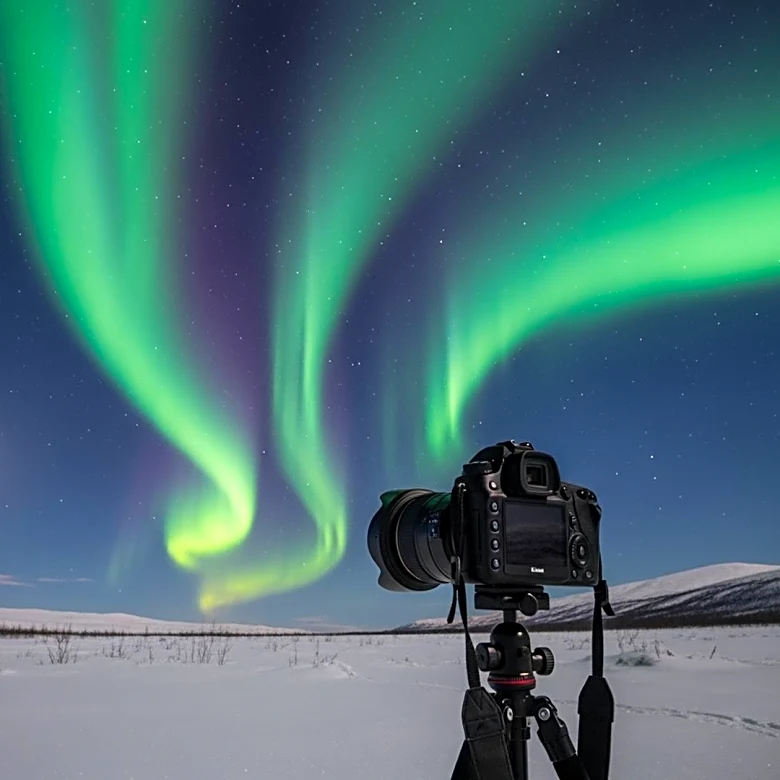
The aurora borealis, commonly known as the Northern Lights, is a natural light display predominantly seen in high-latitude regions around the Arctic and Antarctic. This phenomenon occurs when charged particles from the sun collide with atoms in Earth's atmosphere, resulting in vibrant displays of green, pink, purple, and other colors. Photographers often seek to capture this stunning spectacle, which requires specific techniques and conditions. Key factors include location, timing, and equipment settings. Ideal locations are typically near the poles, such as Alaska, Canada, Norway, and Iceland. Timing is crucial, with the best chances during winter months when nights are longest and skies are darkest. Equipment settings should focus on long exposure times, high ISO settings, and wide apertures to capture the faint light effectively.