Robert Hooke's Contributions to Science, Including Microscopy and Elasticity, Highlighted
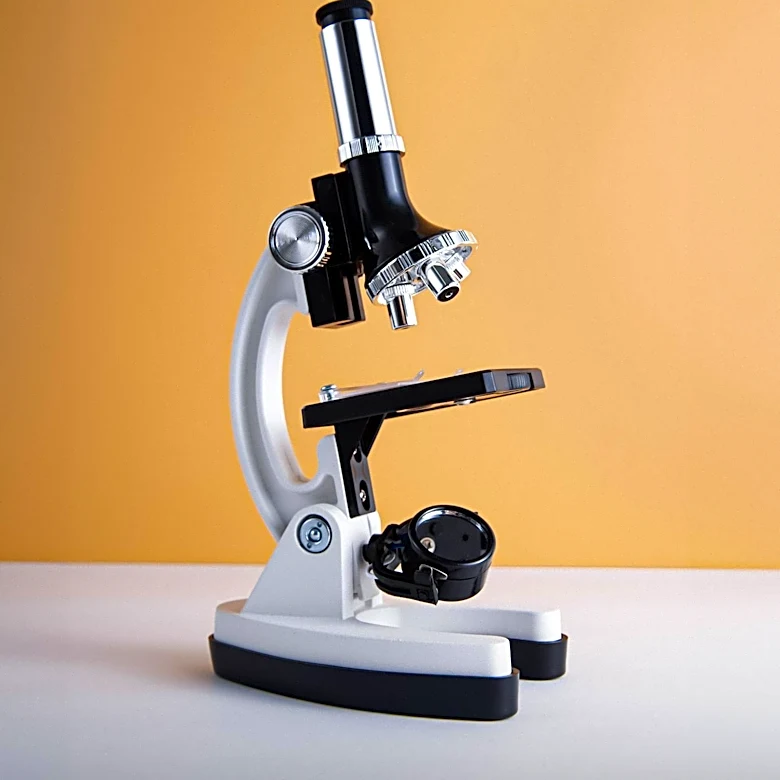
Robert Hooke, a prominent 17th-century scientist, made significant contributions across various scientific disciplines, including microscopy, biology, physics, astronomy, and geology. He is widely recognized for his 1665 book 'Micrographia,' which featured detailed illustrations of microscopic observations and introduced the term 'cell' to describe the structures he observed in cork. Hooke also formulated Hooke's law, which describes the relationship between force and extension in elastic materials, a principle still fundamental in physics and engineering. His work extended to improving scientific instruments, studying fossils as evidence of ancient life, and investigating geological processes like earthquakes. As Curator of Experiments for the Royal Society, Hooke conducted numerous demonstrations, showcasing his broad experimental approach and practical skills in instrument making and architecture, particularly during the rebuilding of London after the Great Fire.