Semiconductor Cryogenic Cooling Explored for Specialized Research, Not Consumer Devices
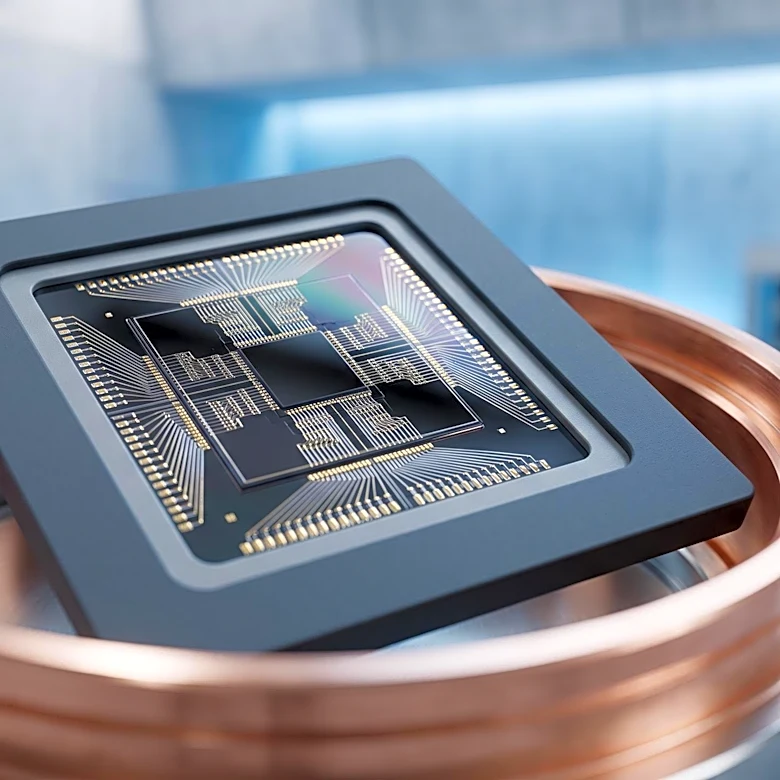
Semiconductor cryogenic cooling involves using extremely low temperatures, ranging from 77 Kelvin with liquid nitrogen to below 10 millikelvin in dilution refrigerators, to alter the behavior of integrated circuits. This process is primarily applied in specialized research and engineering, rather than in ordinary consumer computers. Cooling a chip to such low temperatures can significantly change carrier mobility, electrical resistance, timing, and packaging characteristics. While lower temperatures can reduce thermal energy and increase carrier mobility, they can also lead to issues like charge 'freeze-out,' altered threshold voltage, and new timing or reliability problems. The design and testing of consumer chips are optimized for standard operating temperature ranges, and attempting to cool them outside these conditions can result in condensation, cracking, unstable operation, or permanent damage. The process of cryogenic testing is highly controlled, involving vacuum chambers, radiation shields, and pr...