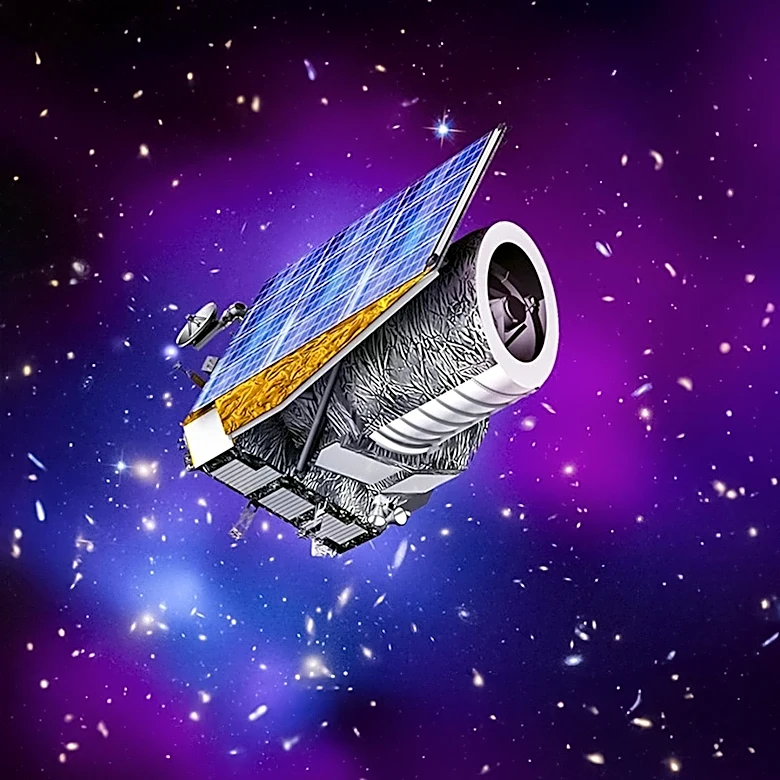
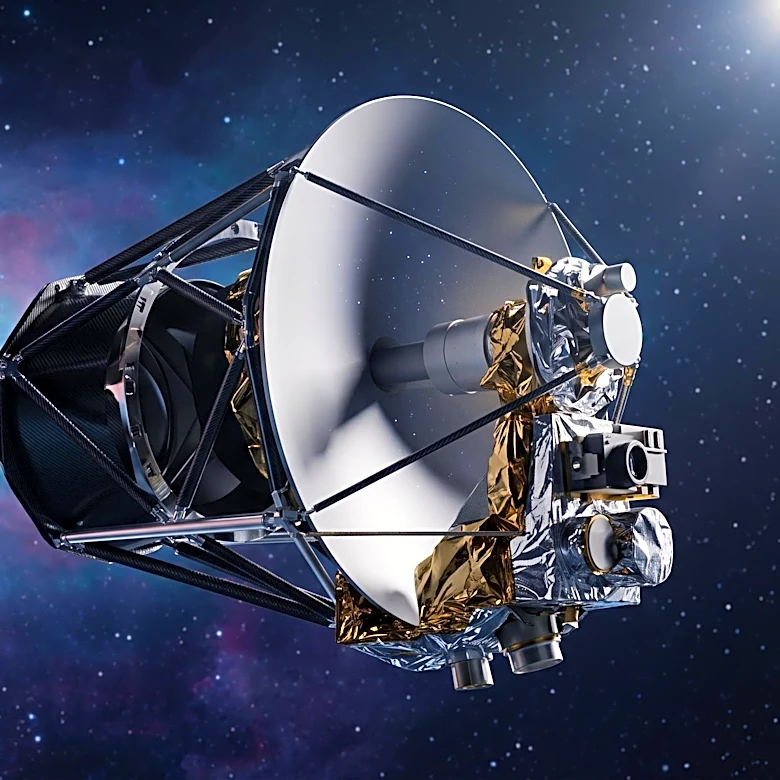
NASA Advances PRIMA Mission for Far-Infrared Astrophysics, Involving University of Maryland Astronomers
NASA has selected the PRobe far-Infrared Mission for Astrophysics (PRIMA) to advance to Phase B of its development, a stage focused on preliminary design and technology development. This mission, co-developed by University of Maryland (UMD) astronomers, aims to measure far-infrared radiation with unprecedented sensitivity. PRIMA is designed to bridge the observational gap between existing infrared observatories, such as the James Webb Space Telescope, and radio telescopes. The mission, managed by the NASA Jet Propulsion Laboratory (JPL) with contributions from NASA's Goddard Space Flight Center, NASA’s Marshall Space Flight Center, and international partners, is projected to launch in 2033 for a five-year duration. UMD Astronomy Professor Alberto Bolatto is a co-investigator leading research on galaxy evolution, while UMD Astronomy Professor Sylvain Veilleux is a science working group lead for research on active galactic nuclei. The project cost is capped at $1.2 billion, excluding launch and other non-pro...