James Webb Space Telescope Unveils Impact of Star Clusters on Galaxy Evolution
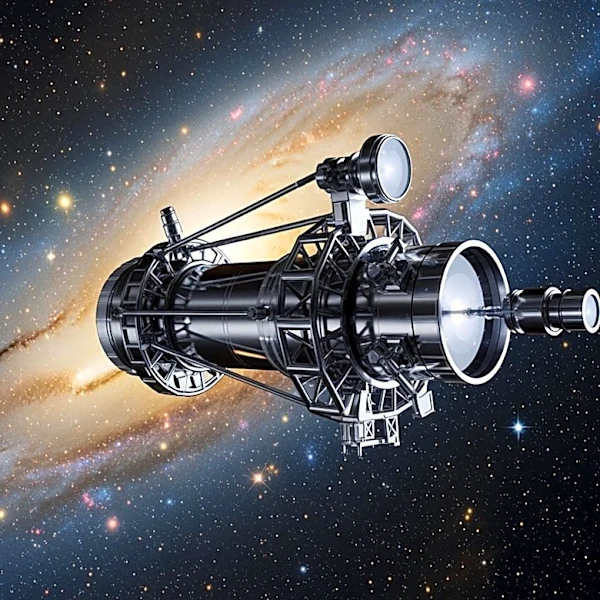
Astronomers have utilized the James Webb Space Telescope (JWST) alongside the Hubble Space Telescope to capture new images of nearly 9,000 young star clusters across four nearby galaxies. These observations have provided fresh insights into the birthplaces of star clusters and their role in galaxy evolution. The study, led by Alex Pedrini from Stockholm University, reveals how massive star clusters break free from their natal gas clouds faster than previously thought, significantly altering their surroundings. This process, known as stellar feedback, involves the release of intense ultraviolet radiation and stellar winds that heat and disperse nearby gas, regulating future star formation. The findings, published in Nature Astronomy, also suggest that young planetary systems within these clusters may be exposed to harsh radiation earlier than expected, potentially affecting planet formation.