Córdoba's Historical Scholars Beyond Averroes and Maimonides Highlighted
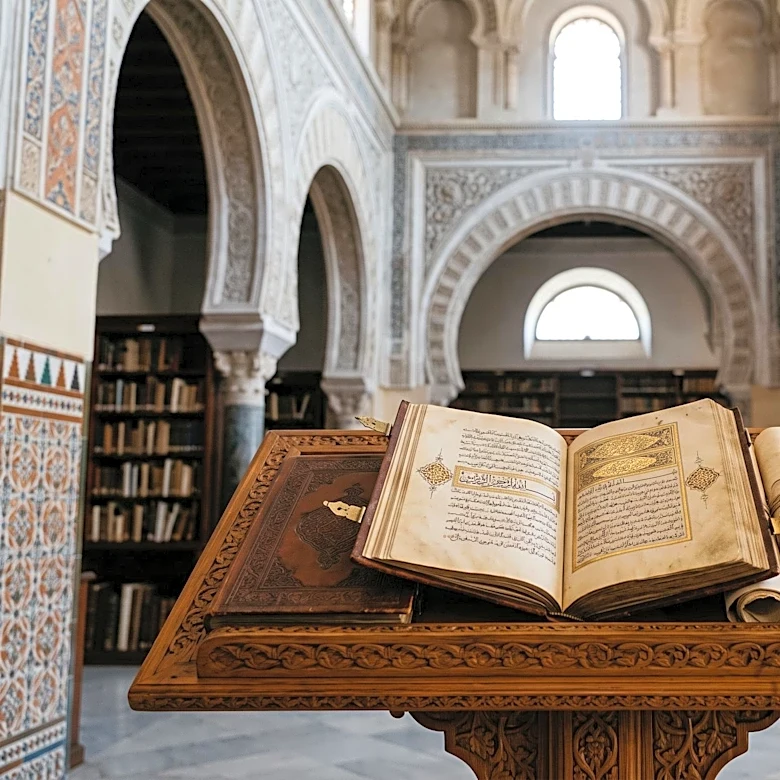
The city of Córdoba, Spain, is being recognized for its rich scholarly history, extending beyond the well-known figures of Averroes and Maimonides. During the tenth century, under the rule of Abd al-Rahman III and his son al-Hakam II, Córdoba became a significant center for learning. Al-Hakam II is credited with establishing 27 free schools and amassing a vast library, fostering an environment that attracted scholars from various fields. This period saw the rise of figures like Ahmad al-Razi, a court historian and poet, and Mundhir al-Balluti, a chief judge and professor. Later, after the caliphate's dissolution, the city produced scholars such as Ibn Quzman, a zajal poet known for his colloquial verse, and Muhammad al-Qurtubi, a Quran commentator. These individuals represent diverse intellectual contributions, from chronicling court events to administering justice and crafting popular poetry, showcasing Córdoba's broad academic landscape.