Gentrification Reshapes Urban Centers, Driving Property Values and Displacement
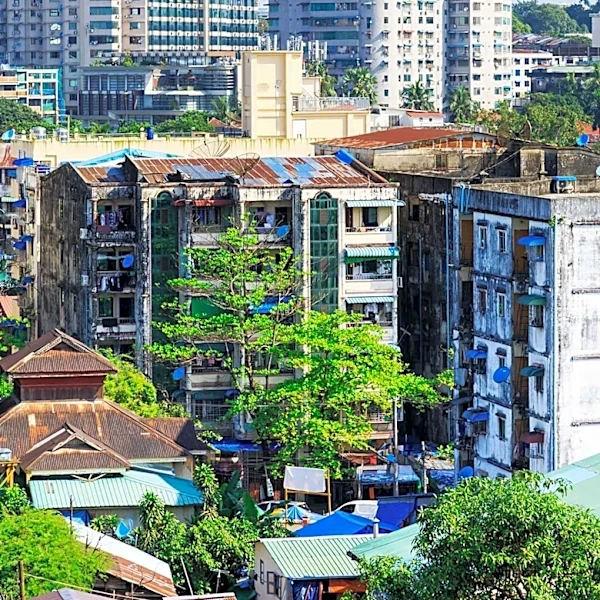
Gentrification, a process involving wealthier individuals purchasing and renovating properties in previously run-down urban areas, is significantly altering city centers. This phenomenon is characterized by the rehabilitation of older homes and streets, often on a piecemeal basis, by individual households or small groups rather than large organizations. Key drivers of gentrification include the 'rent gap,' where property values fall below their real worth due to neglect, making them attractive for renovation. Reduced commuting costs also play a role, as living closer to city centers offers less time-consuming and stressful travel. Additionally, the 'pioneer' image of edgy neighborhoods attracts creative individuals and young professionals, while government support and changing household compositions (more single or two-person households) further fuel the trend. This process leads to increased property values and the emergence of new businesses like cafes and restaurants.