U.S. E-Bike Regulation Faces Challenges Amid Safety Concerns and Mislabeling
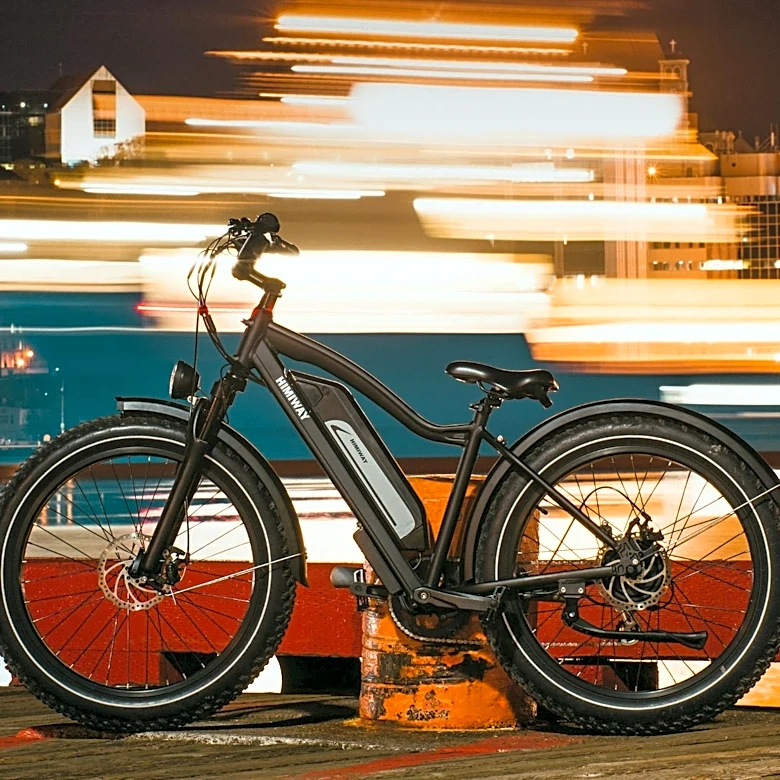
The regulation of e-bikes in the U.S. is becoming increasingly complex due to varying state and municipal laws, safety concerns, and the mislabeling of powerful electric motorcycles as e-bikes. While federal law defines a low-speed electric bicycle as having a motor under 750 watts, operable pedals, and a top speed of 20 mph on motor power alone, many devices exceeding these specifications are being sold as e-bikes. This confusion has led to a sharp increase in serious injuries and fatalities, particularly among children, as reported by pediatric trauma centers. States like New Jersey have implemented strict regulations, including registration, licensing, and insurance requirements for certain e-bikes, and age restrictions. However, these measures are often a response to accidents involving electric motorcycles that are mistakenly identified as e-bikes, rather than addressing the federally defined low-speed electric bicycles. Online sales platforms further complicate oversight, as manufacturers often misre...