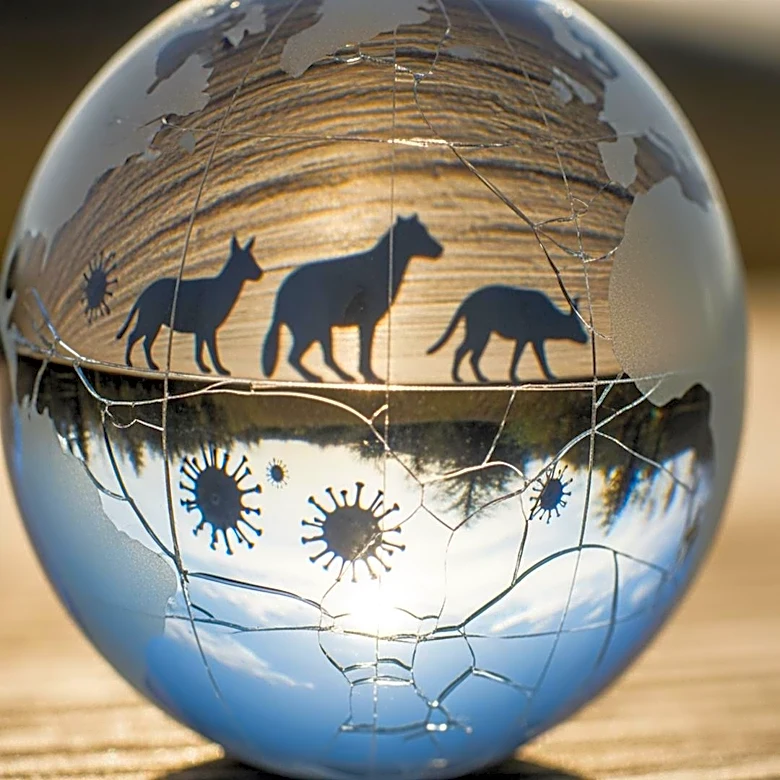
Study Highlights Wildlife Trade as Significant Risk for Human Disease Transmission
A recent study published in Science has revealed that mammals involved in the wildlife trade are approximately 1.5 times more likely to be sources of human diseases compared to non-traded animals. The research, led by Colin Carlson, a disease ecologist at Yale University, emphasizes the heightened risk of zoonotic diseases stemming from the wildlife trade, which includes the sale of wild animals for food, pets, and traditional medicine. The study highlights that the longer humans have interacted with a species, the more viruses they share, particularly in illegal markets and live animal settings. This research builds on past incidents, such as the 2003 mpox outbreak in the U.S., which was linked to imported African rodents. The study underscores the need for global awareness and regulation to mitigate the risk of future pandemics.