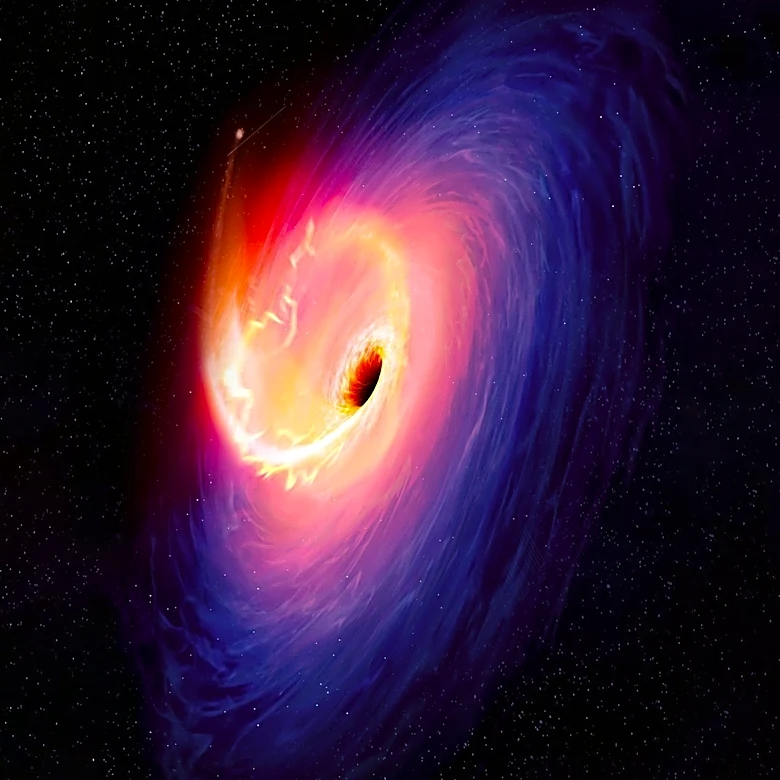
NASA's James Webb Telescope Investigates 'Little Red Dots' as Potential Supermassive Black Holes
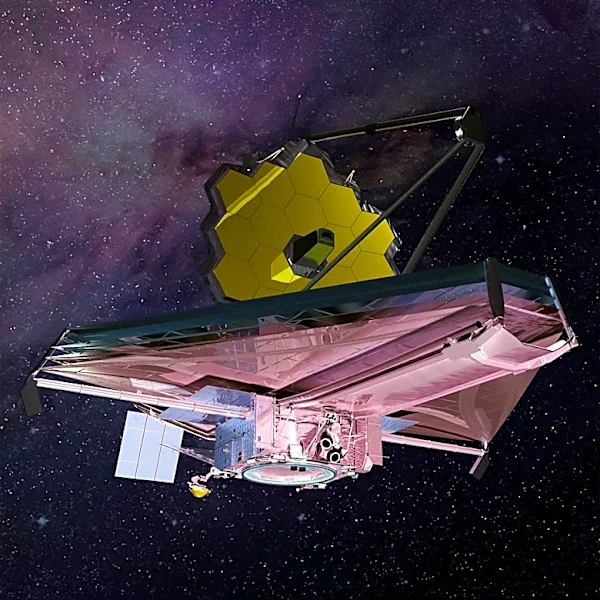
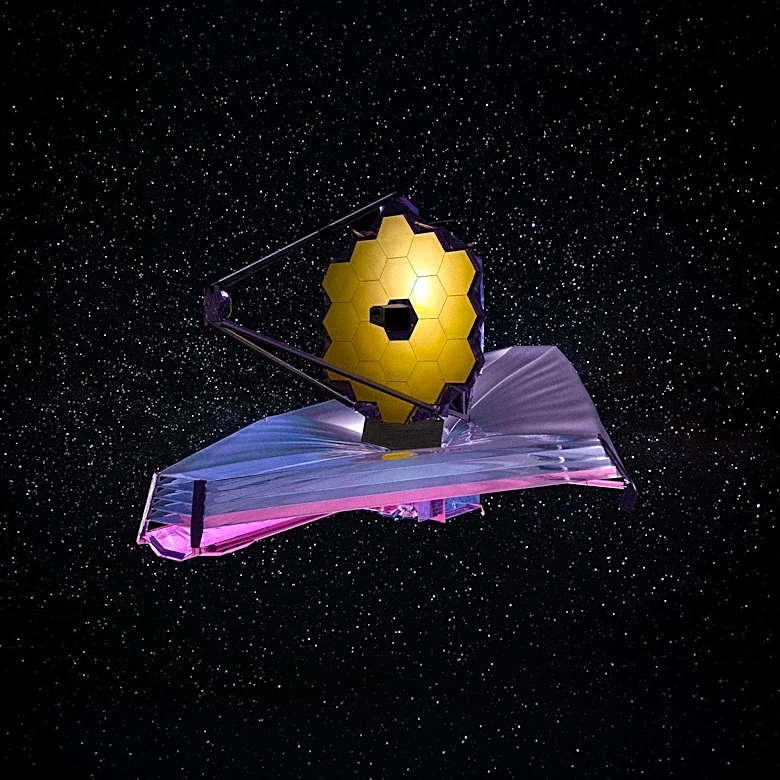
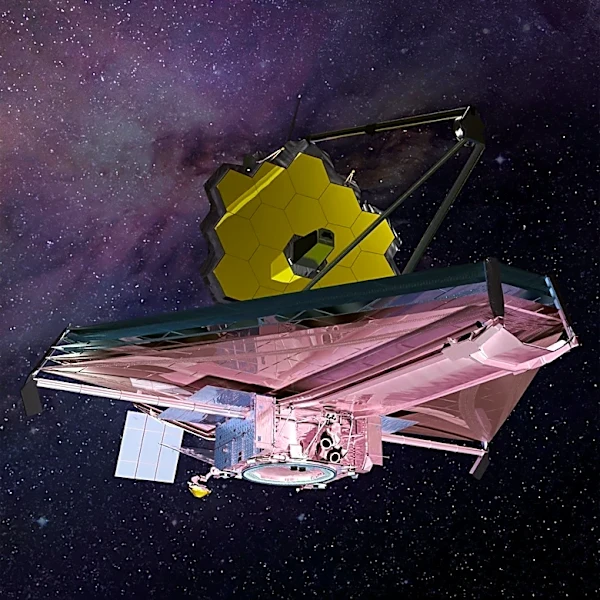
NASA's James Webb Space Telescope has been instrumental in the study of 'little red dots' (LRDs), which are distant, compact red sources in the universe. These LRDs have intrigued astronomers since their discovery in 2022. A recent study led by Pierluigi Rinaldi from the University of Arizona's Steward Observatory suggests that these LRDs may not be unique galaxy populations but rather a temporary phase of highly active supermassive black holes. The study, published in The Astrophysical Journal, analyzed a lower-redshift spiral galaxy, nicknamed the 'Saguaro,' to understand the nature of these LRDs. The findings indicate that LRDs are abundant at high redshifts, suggesting they were more common in the early universe. However, their numbers decrease at lower redshifts, raising questions about their evolution as the universe matures.