Wearable Devices Quietly Constructing Digital Twins of Users' Bodies
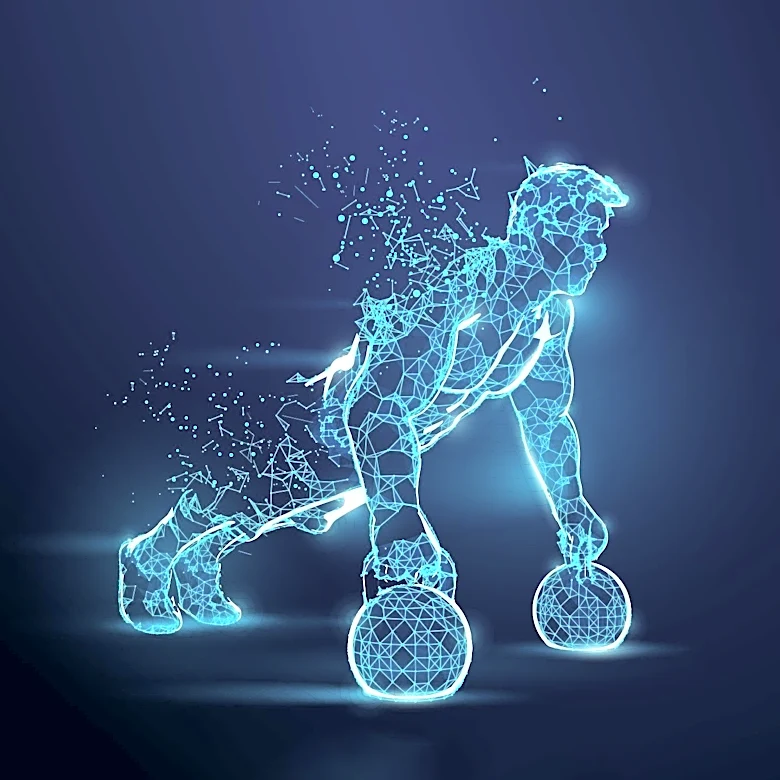
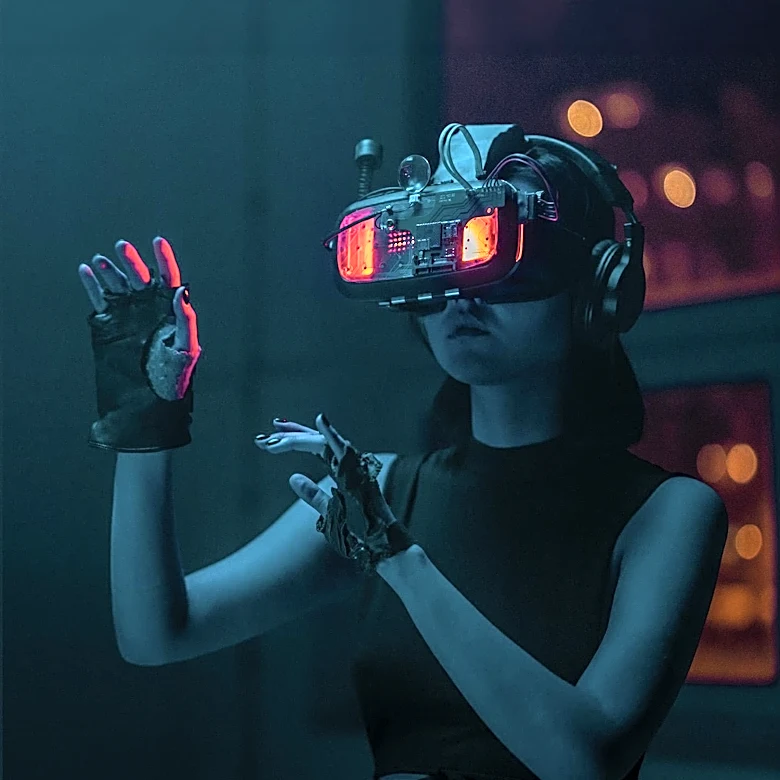
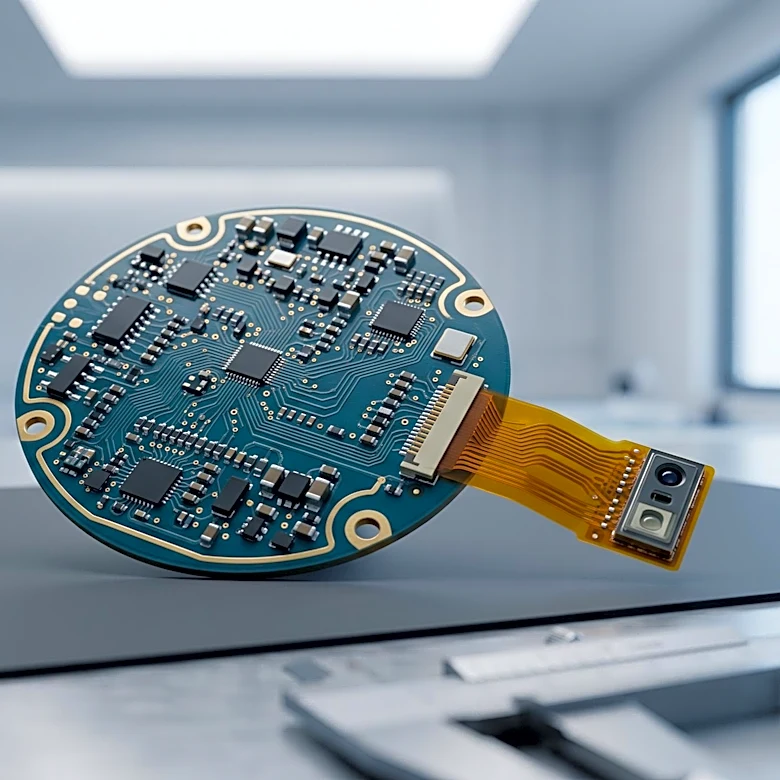
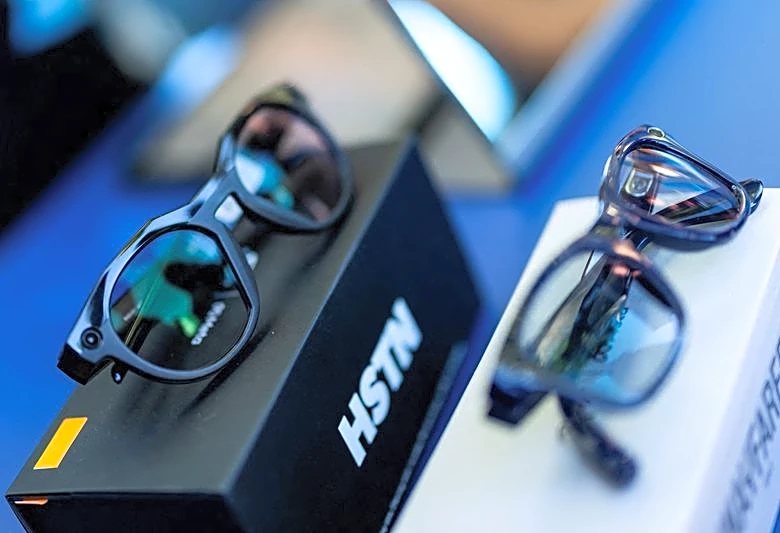
Wearable devices are continuously collecting personal data, such as heart rate, sleep patterns, and activity levels, which is being used to build a 'digital twin'—a virtual model of an individual's body. This digital twin is not a physical scan but a simulation created from the slow accumulation of how a person lives, designed to predict future physiological responses and patterns. Unlike simple data aggregation, a digital twin connects various data points, understanding the cause-and-effect relationships within an individual's body, such as how poor sleep affects heart rate variability and subsequent performance. This technology allows for simulations, enabling users to test 'what if' scenarios, like the impact of going to bed earlier or skipping a workout. The raw material for these digital twins comes from existing wearable sensors, including those that track heart rate, heart rate variability (HRV), resting heart rate, sleep stages and duration, skin temperature, activity, workouts, SpO2, and breathing...