Scientists Warn Satellite Mirror Plans Could Disrupt Sleep and Ecosystems
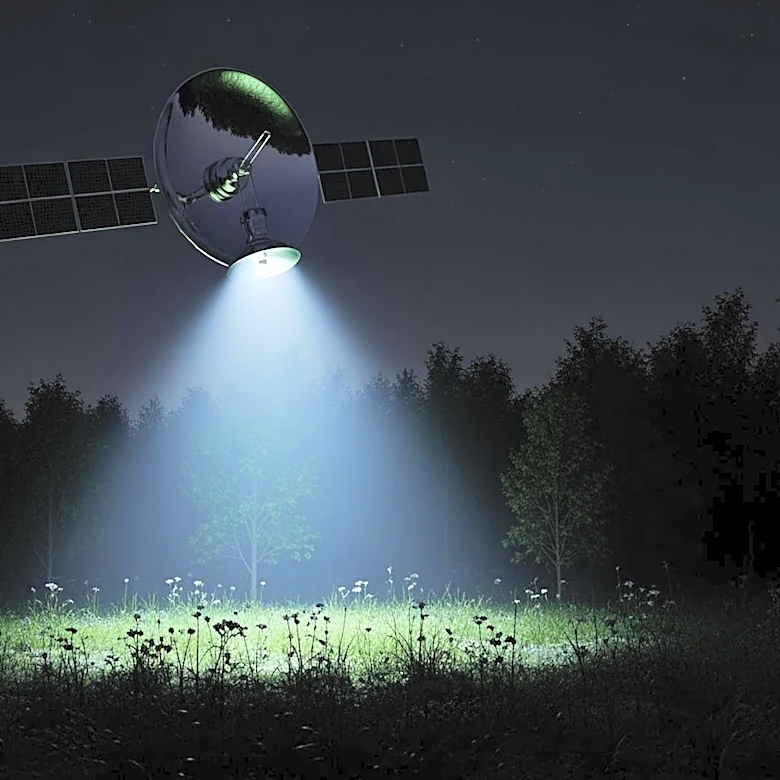
Proposals to deploy reflective mirrors and up to one million more satellites in low Earth orbit are raising concerns among scientists about potential disruptions to human health and ecosystems. The start-up Reflect Orbital plans to use satellites equipped with large reflective mirrors to illuminate parts of the Earth at night, while SpaceX has proposed launching a massive number of satellites to create a solar-powered computing network. These initiatives have prompted letters of concern to the U.S. Federal Communications Commission (FCC) from presidents of four international scientific societies, representing about 2,500 researchers. They argue that altering the natural light-dark cycle could disrupt biological clocks, affecting sleep, hormone secretion, and ecological systems. The scientists are urging regulators to conduct a full environmental review and set limits on satellite reflectivity and night sky brightness.