States Face Community Opposition to Battery Farms Despite Energy Grid Needs
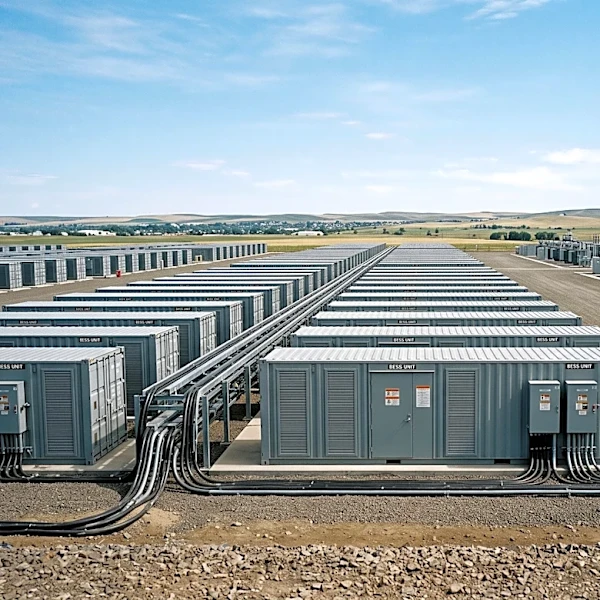
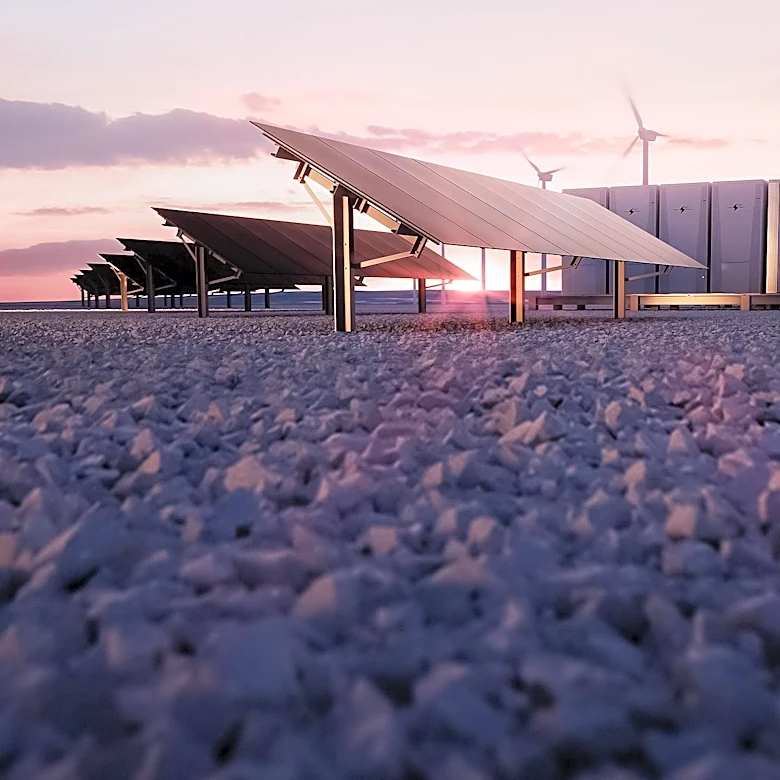
Across the U.S., states and utilities are rapidly developing 'battery farms' to store energy and meet growing power demands. These facilities, primarily using lithium-ion batteries, have seen a tenfold increase in capacity since 2022, with another doubling projected by the end of 2028. This growth is driven by the need to stabilize the grid, support the transition to clean energy, and store surplus power from renewable sources like solar for peak demand times. However, this expansion is encountering significant community opposition. Nearly 200 communities have either passed or proposed moratoriums on battery farm construction, largely due to concerns over fire risks and the potential for toxic smoke. Residents in areas like Snoqualmie, Washington, and Watsonville, California, have voiced strong objections to proposed facilities near residential areas, schools, and critical infrastructure, leading developers to sometimes seek state-level approval to bypass local jurisdictions.