Scientists Warn of Lahar Threat in Pacific Northwest
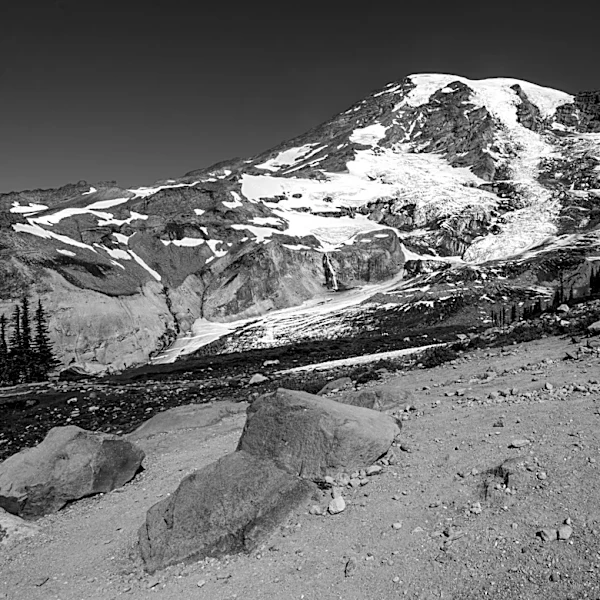
The Pacific Northwest faces a significant volcanic hazard from lahars, fast-moving volcanic mudflows that can occur even without an eruption. Following the devastating Mount St. Helens eruption in 1980, which caused $860 million in damages and claimed 57 lives, researchers have focused on understanding and preparing for these unpredictable events. Lahars, composed of sediment, debris, and water, can travel rapidly downslope, destroying everything in their path. The United States Geological Survey (USGS) has identified lahars as the most threatening hazard in the Cascade Range, particularly near Mount Rainier, where over 150,000 residents live in potential lahar paths. Scientists are working to improve forecasting and monitoring systems, including experimental sites in Oregon and a network of sensors across the Cascade Range. The urgency to prepare for these hazards remains high as the risk of a lahar event is considered imminent.