Four-Week Spice Study Challenges Expectations on Post-Meal Cardiometabolic Benefits
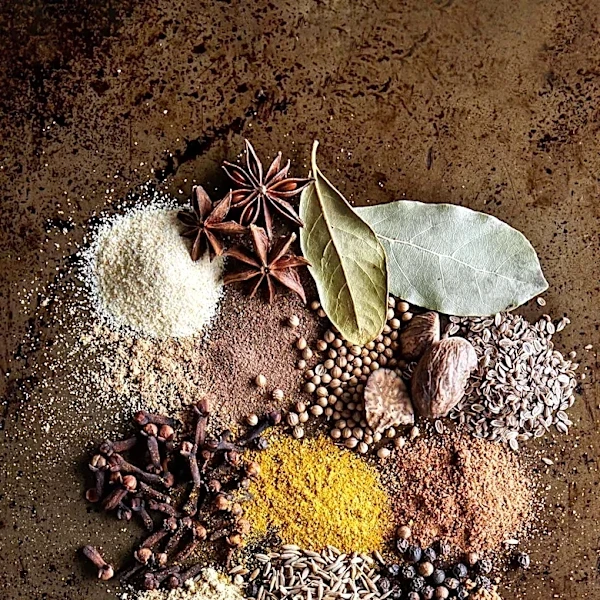
A recent controlled feeding trial, published in the journal Current Developments in Nutrition, investigated the long-term effects of culinary herbs and spices on post-meal vascular and metabolic responses. The study involved 43 adults at risk of cardiometabolic disease, with an average age of 48 and a BMI of 28.9. Participants consumed diets with low, moderate, or high spice content (0.5, 3.3, or 6.6 g/2100 kcal/day) over three four-week periods, separated by washout periods. Researchers measured flow-mediated dilation (FMD), triglycerides, glucose, insulin, and cholesterol after test meals. The study found no significant differences in mean FMD or other endothelial function measures, nor in glucose, insulin, triglyceride, and cholesterol levels, between the different spice conditions after four weeks. This suggests that any acute benefits of culinary herbs and spices may not persist with longer-term, regular consumption.