Organic Farming Practices Highlighted in Food Tank's Primer Series
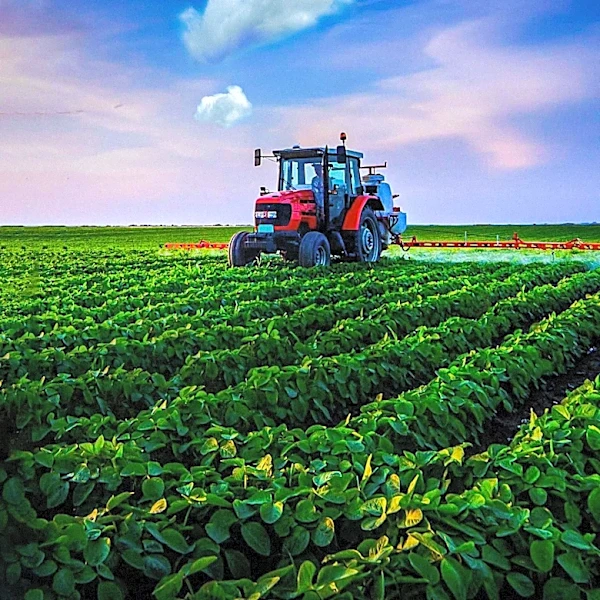
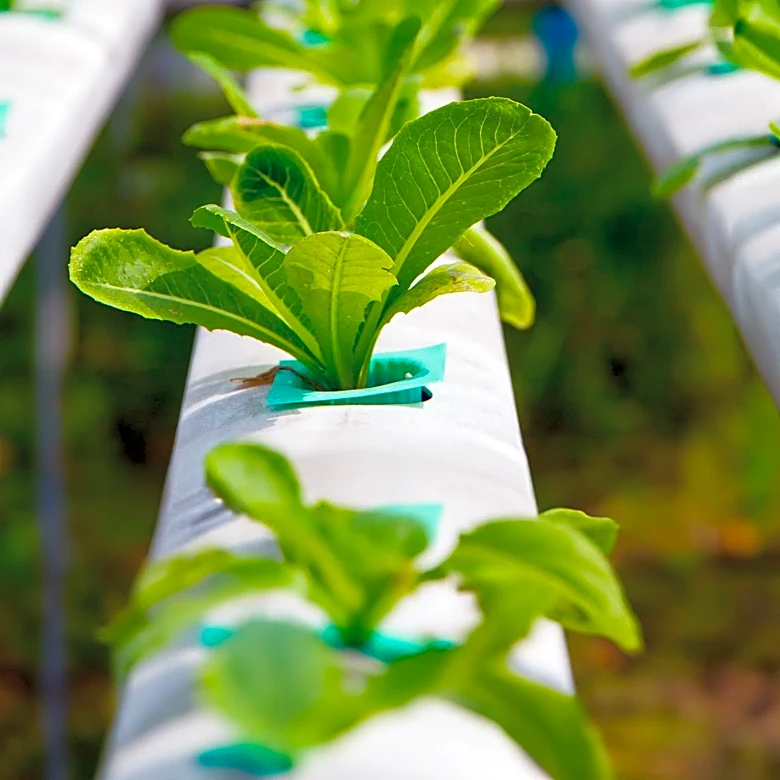
Food Tank's primer series on organic agriculture explores the principles and practices that define organic farming. The series emphasizes the importance of maintaining healthy soils, supporting ecological balance, and conserving biodiversity through cultural, biological, and mechanical farming methods. Organic farming prohibits or limits synthetic fertilizers, pesticides, GMOs, and synthetic growth hormones, focusing instead on soil fertility through composting, cover cropping, and crop rotation. The Rodale Institute's research indicates that organic systems use less energy and have a lower carbon footprint compared to conventional agriculture. Organic practices also enhance carbon sequestration and soil health, making agricultural systems more resilient to climate changes.