Government Fiscal Policy Utilizes Taxation, Spending, and Borrowing to Influence Economic Activity
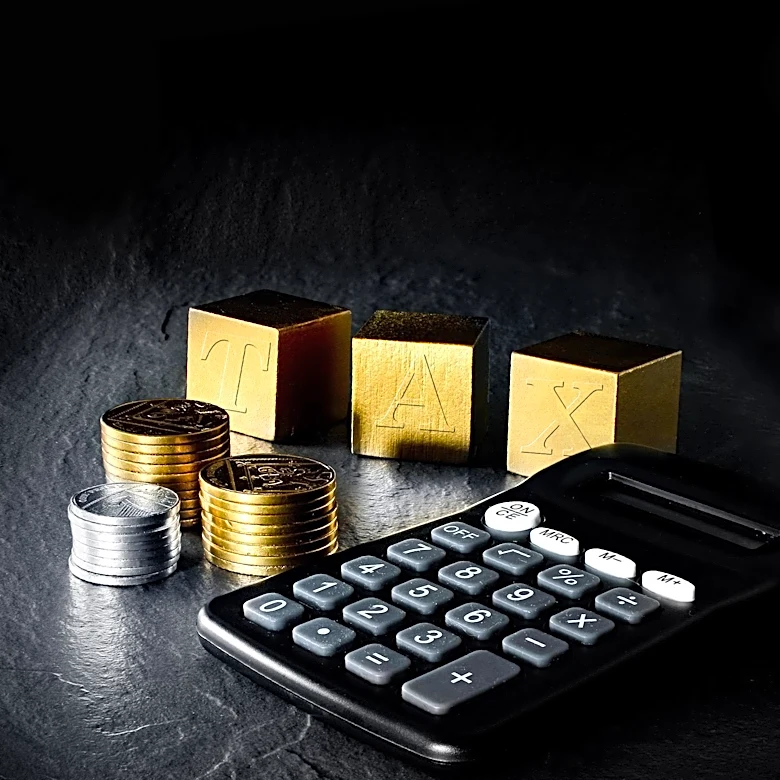
Fiscal policy, a key macroeconomic tool, involves government actions concerning taxation, spending, and borrowing to manage and influence economic activity. This policy is goal-bound, meaning it is always directed towards achieving specific objectives such as economic growth, job creation, or social development, as determined during the budgetary process. It is primarily a demand-side tool, influencing the level of demand in the economy through changes in government spending and taxation. Fiscal policy is also cyclical, with business cycles significantly affecting decisions; for instance, during economic upswings, tax collections increase, while during downturns, revenue falls and social support spending may rise. The three main instruments of fiscal policy are government expenditure, taxation, and borrowing, which collectively aim to achieve economic and social goals. Budgetary positions, such as balanced budgets, surpluses, or deficits, reflect the relationship between government income and expenditure, ...