Deep-Sea Isopods Survive Years Without Food Through Unique Adaptations
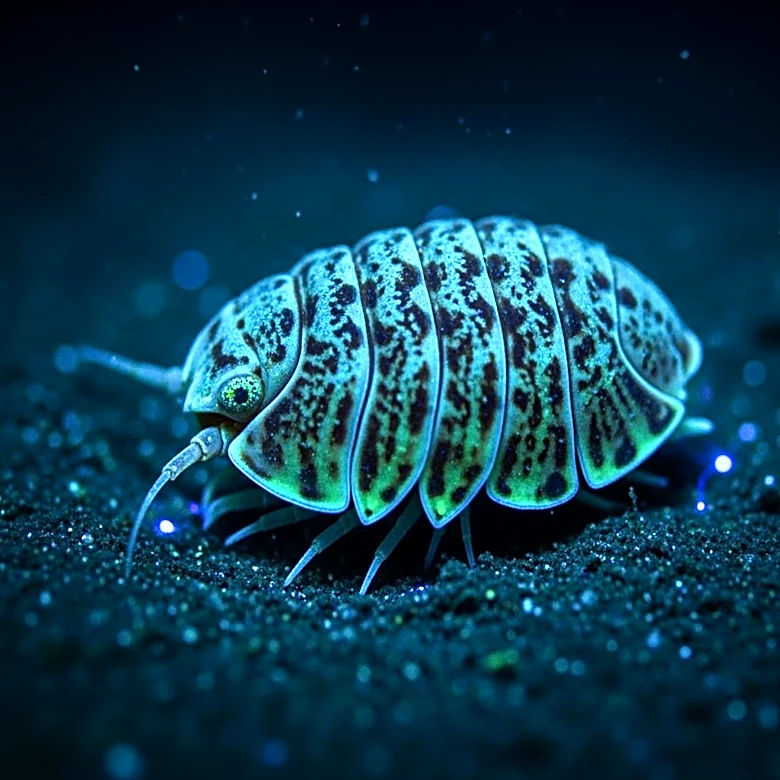
Researchers from the Institute of Oceanology of the Chinese Academy of Sciences have uncovered how deep-sea supergiant isopods manage to survive for extended periods without food. These isopods, known for their significant body size, inhabit nutrient-poor environments in the deep sea. The study, published in the journal Cell, reveals that these isopods employ a dual survival strategy: an enlarged stomach capable of storing large quantities of food and a remarkably low basal metabolic rate (BMR). The research involved analyzing two species of isopods from different ocean depths, revealing that their stomachs can occupy up to two-thirds of their body, allowing them to store and slowly digest food over time. Additionally, a horizontally transferred gene, ND1, plays a crucial role in their energy metabolism, helping them balance the high energy demands of their size with the need for metabolic suppression in their extreme environment.