New Research Indicates Mercury Has Shrunk More Than Previously Estimated
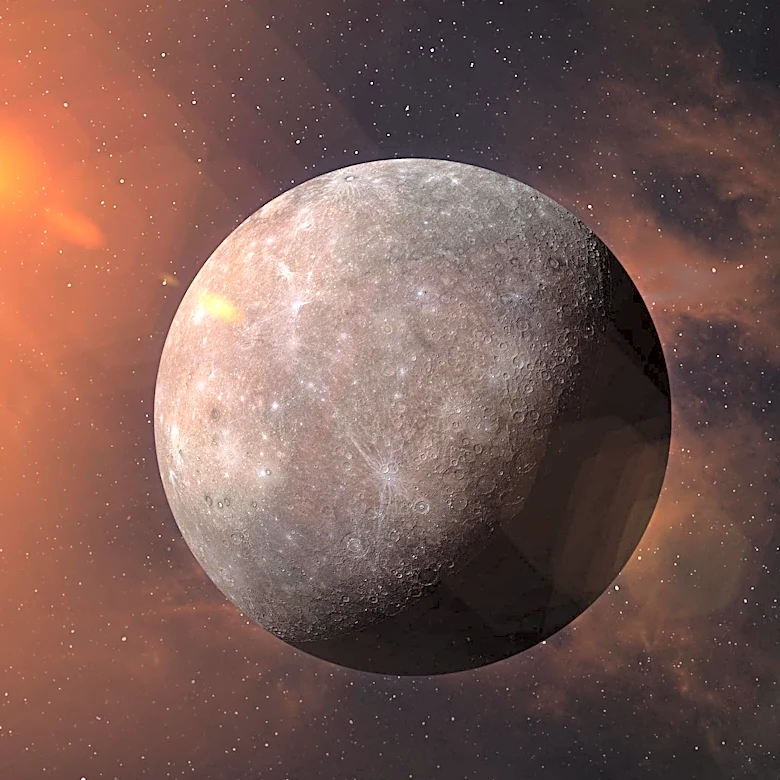
Recent studies, utilizing improved maps and data from the MESSENGER mission, suggest that the planet Mercury has contracted significantly more than earlier estimates. The new data indicates a shrinkage of up to 14.5 miles in diameter, which is 10 to 30 percent greater than previous figures ranging from 2.5 to 10 miles. This contraction is primarily attributed to the ongoing cooling of Mercury's interior, specifically its iron core. As the core cools, the entire planet uniformly contracts, causing the outer rocky layers to buckle, crumple, and crack, forming tectonic features like scarps and ridges across its surface. The previous underestimation of shrinkage was partly due to Mercury's rough terrain, where impact debris obscured some of these contraction features. Lead author Gaku Nishiyama, a planetary scientist at the German Aerospace Center (DLR) Institute of Space Research, and his team compared global maps of Mercury’s surface roughness with maps of its contraction structures to arrive at these update...