Landsat Expands Science Value with Nighttime Imaging Capabilities
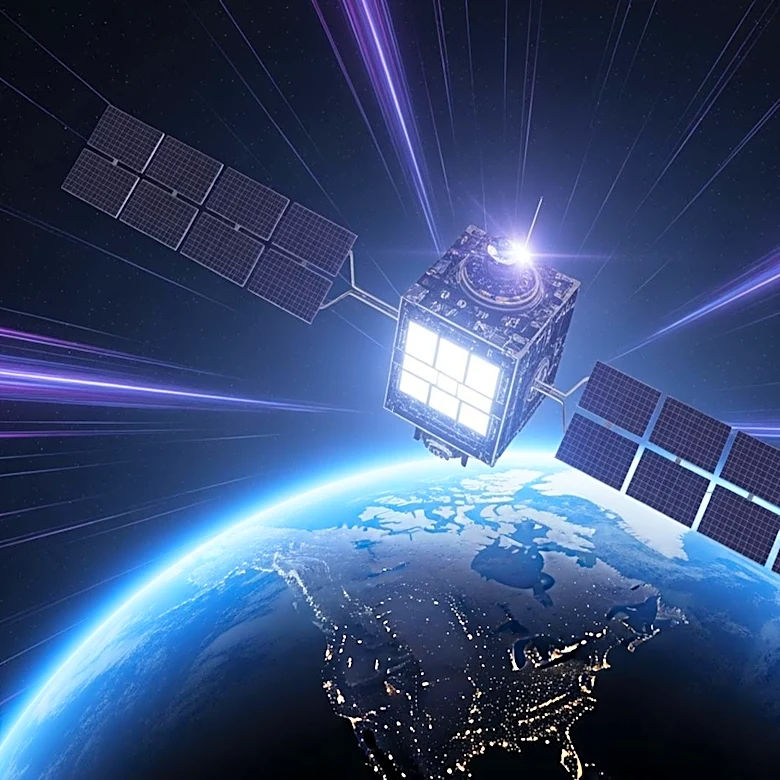
Landsat satellites, operated by NASA and the USGS, have expanded their capabilities to include nighttime imaging, enhancing their scientific value. Traditionally, Landsat has captured images during daylight, but now it also collects data during its ascending orbit at night. This allows for the observation of thermal features, such as volcanoes and wildfires, using shortwave infrared and thermal infrared bands. The nighttime imaging capability is particularly useful for monitoring active volcanoes, wildfires, and urban heat islands. The initiative has led to systematic observations of areas like Yellowstone National Park, where thermal features are closely monitored.