Optimal Viewing Tips for Eta Aquarids Meteor Shower
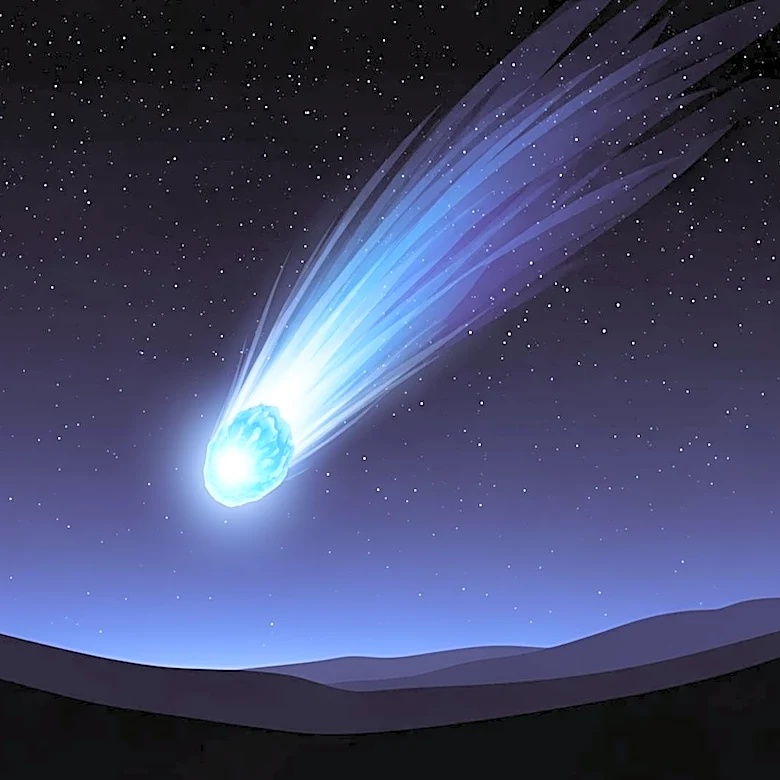
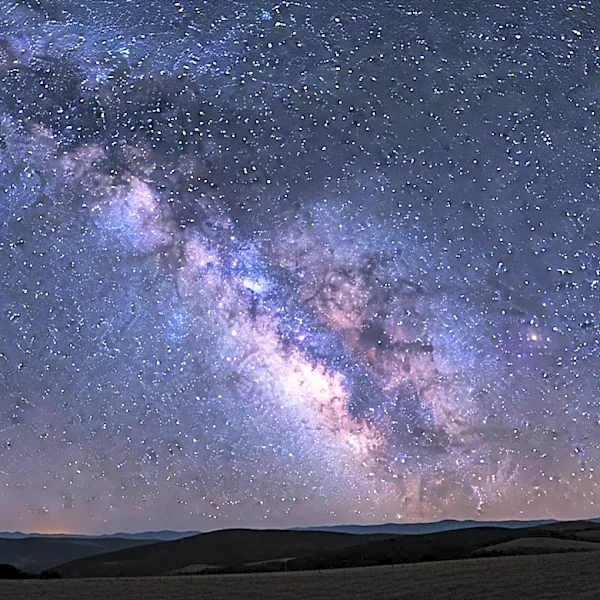
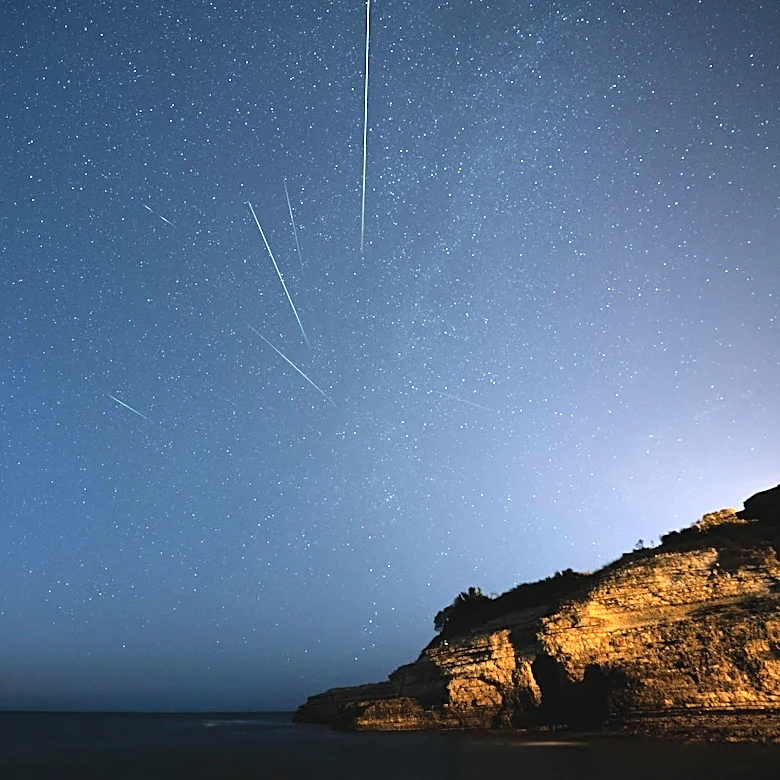
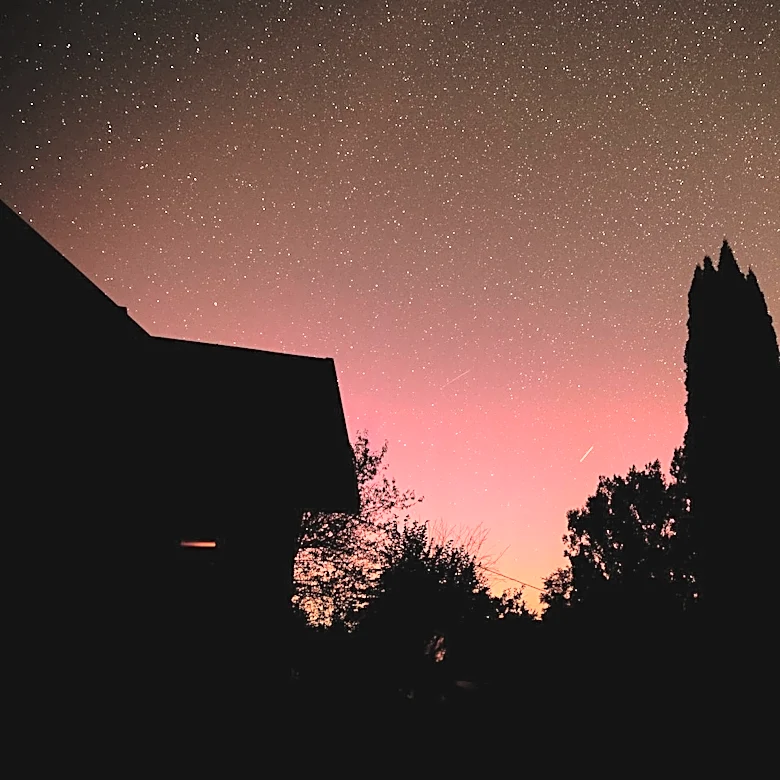
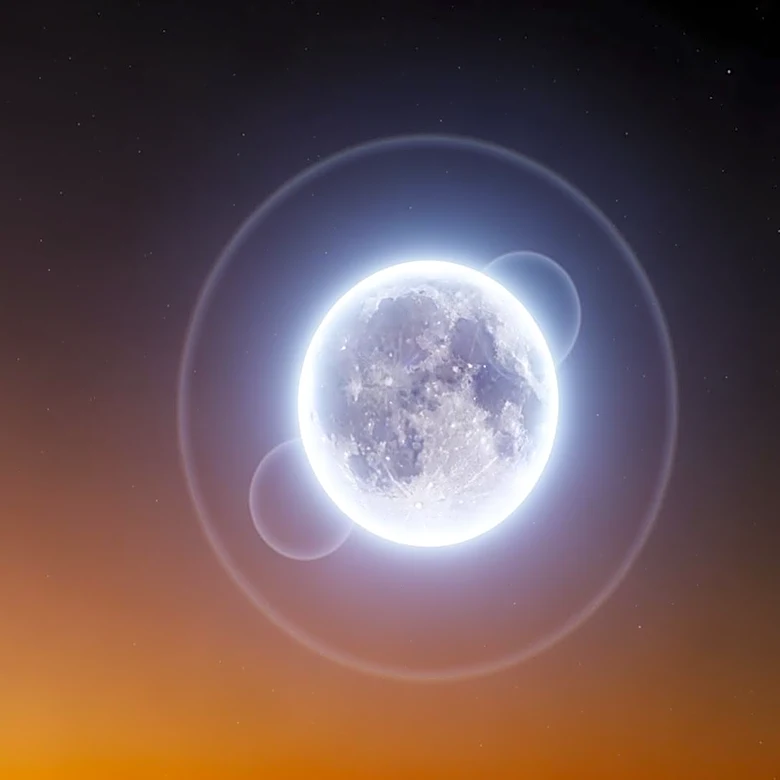
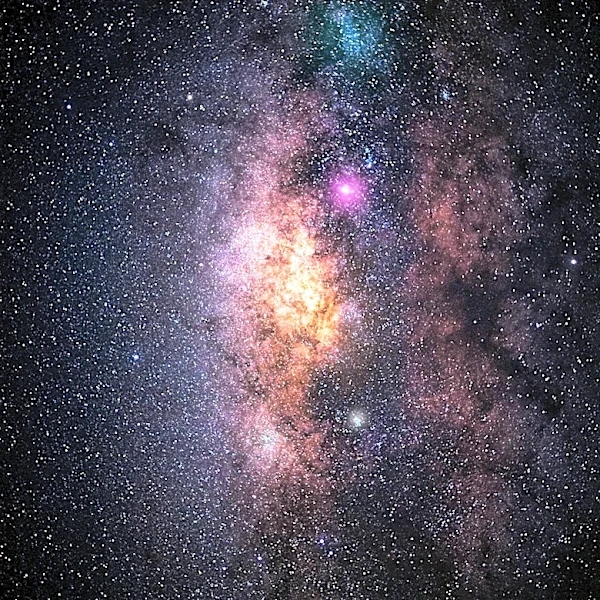
The Eta Aquarids meteor shower, originating from Halley's comet, is currently active and will peak overnight from May 5 to May 6, 2026. This celestial event offers a chance to witness up to 50 meteors per hour during its peak, characterized by their speed and glowing trails. However, viewing conditions may be impacted by the waning gibbous moon, which could create significant light pollution. Astrophotographer Andrew McCarthy emphasizes the importance of finding dark and clear skies for optimal viewing. He advises avoiding artificial light sources, including city lights, moonlight, and even digital screens, as they can hinder night vision. Preparing for darkness by allowing your eyes to adjust for at least 20 minutes, or ideally 45 minutes, is crucial. McCarthy also recommends using binoculars to explore other celestial objects, such as nebulae and star clusters, while waiting for meteors to appear.