New Fossils in China Reveal Insights into Denisovan Life and Tool Use
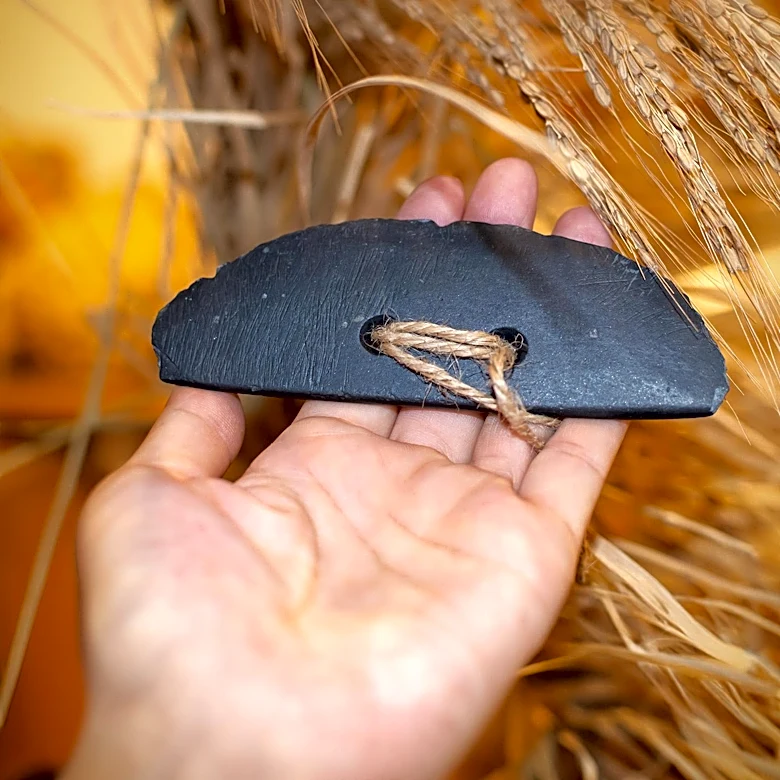
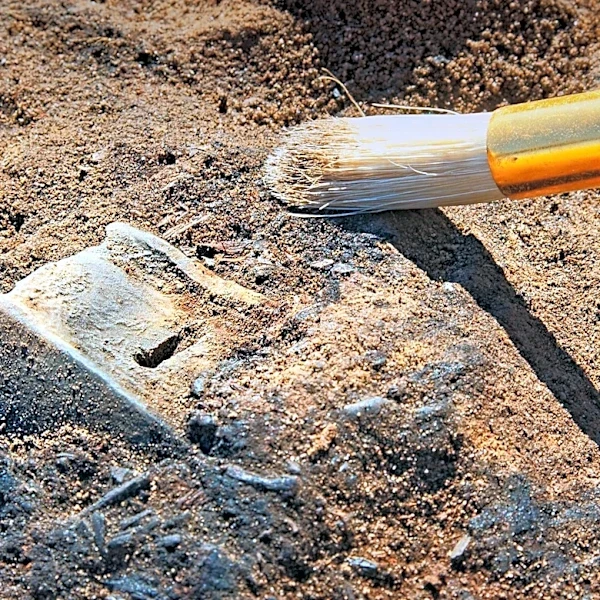
A newly discovered cave in southwestern China, Bianfu Cave, has yielded a significant collection of Denisovan fossils, offering unprecedented insights into this enigmatic human species. Researchers have identified fragments belonging to at least three Denisovans who lived between 167,000 and 134,000 years ago. These remains, which include four teeth, two skull pieces, and an arm bone fragment, were found alongside over 1,300 tools and 1,600 identifiable animal remains. Protein analysis and high-quality X-ray scans confirmed the Denisovan identity of the fossils, with the teeth showing distinct similarities to other known Denisovan remains from Laos and Tibet. The presence of a Denisovan-specific collagen variant further solidified the identification. The tools, dating between 190,000 and 70,000 years old, suggest that Denisovans were the sole occupants of the cave during that period and were responsible for their creation. These tools were primarily used for processing animal remains, such as breaking bone...