George Mason University Study Links Political, Cultural, and Economic Factors to Zoonotic Disease Risk in Livestock Communities
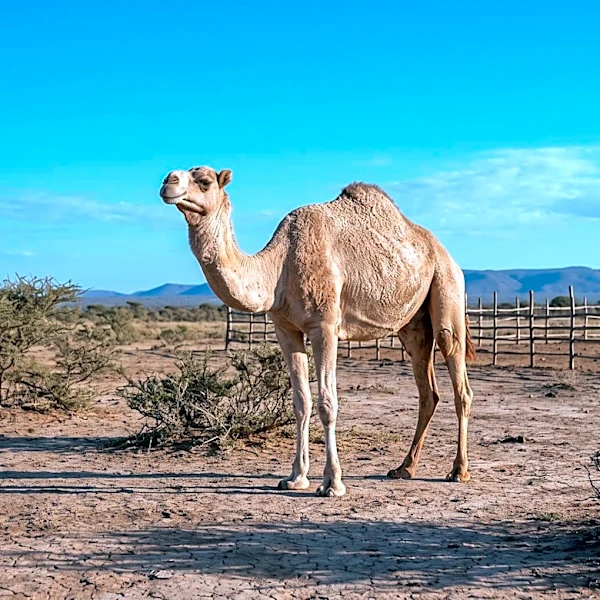
A new study co-led by George Mason University infectious disease expert Amira Roess, PhD, MPH, explores how political, cultural, and economic forces influence the risk of zoonotic diseases in livestock-herding communities. The research, published in 'Social Science & Medicine,' is part of an international collaboration funded by a $2.5 million National Science Foundation grant. The study specifically focused on eastern Ethiopia, where researchers interviewed over 100 individuals involved in camel herding, care, milking, trading, and slaughter. Key factors identified that affect zoonotic disease risk include the close proximity of people and camels, the widespread consumption of raw, unpasteurized camel milk, and how conflict and displacement can force people and livestock into new routes and wildlife preserves. Additionally, trade restrictions and difficulties in accessing export facilities can push more activities into informal markets, which often lack disease surveillance systems. The study emphasizes a...