El Niño Threatens Global Crop Supplies and Alters Weather Patterns
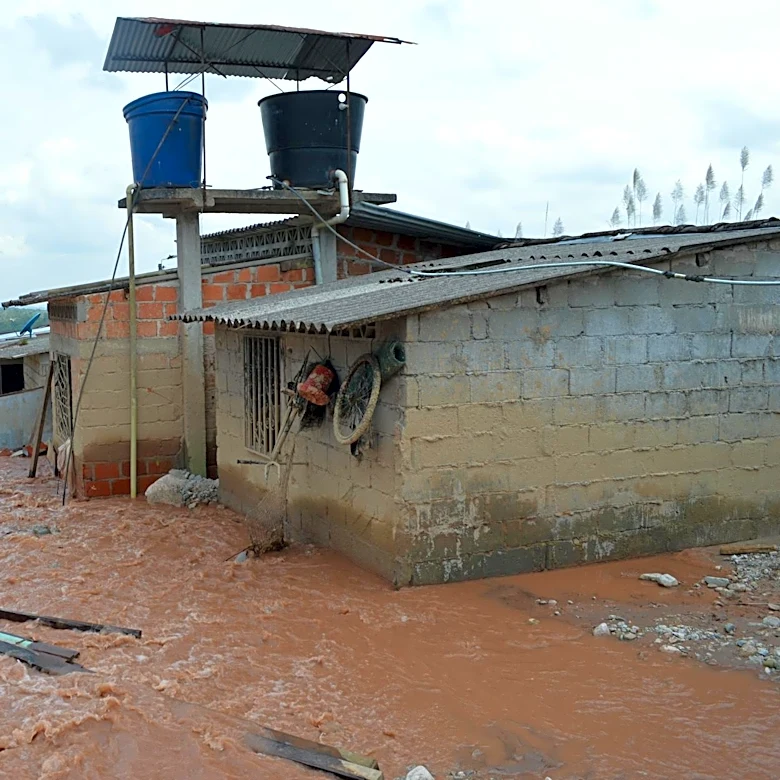
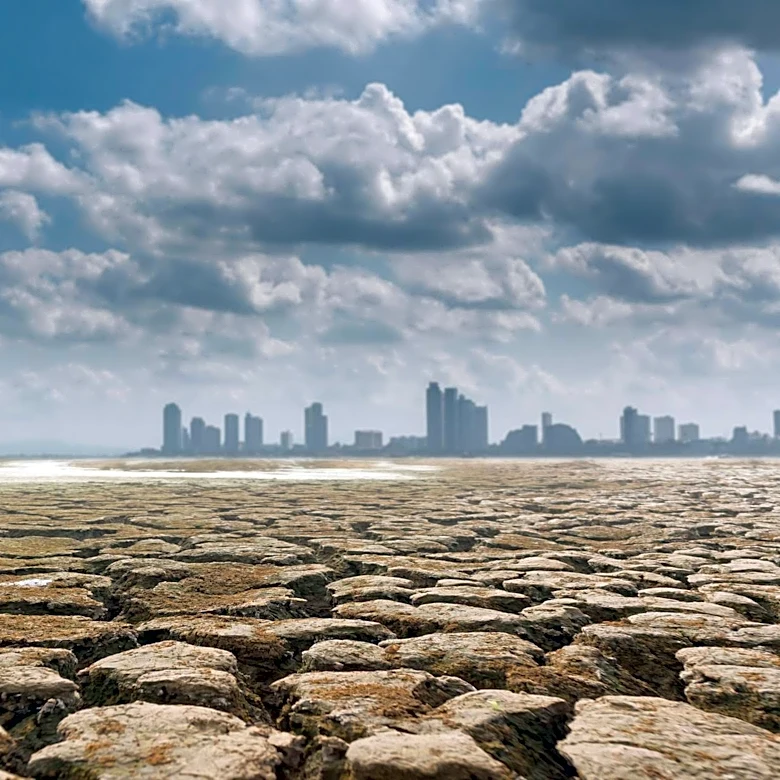
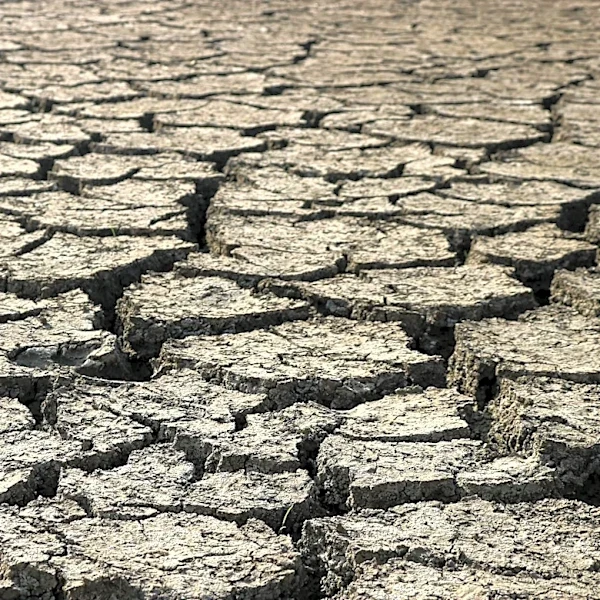
The likelihood of a significant El Niño event is increasing, with predictions indicating it could develop in the equatorial Pacific between May and July and peak between November and January. This weather phenomenon, characterized by warmer-than-normal Pacific Ocean temperatures, is expected to disrupt global weather patterns, potentially leading to reduced crop yields for commodities such as palm oil, coffee, cocoa, cotton, and grains like wheat and rice. The U.S. Climate Prediction Center has reported an 82% chance of El Niño developing soon, with a 67% chance of it being a strong or very strong event. Historically, El Niño has caused significant global impacts, including increased temperatures, altered storm patterns, and economic damages.