Wildfire Smoke Poses Significant Health Risks Due to Fine Particulates
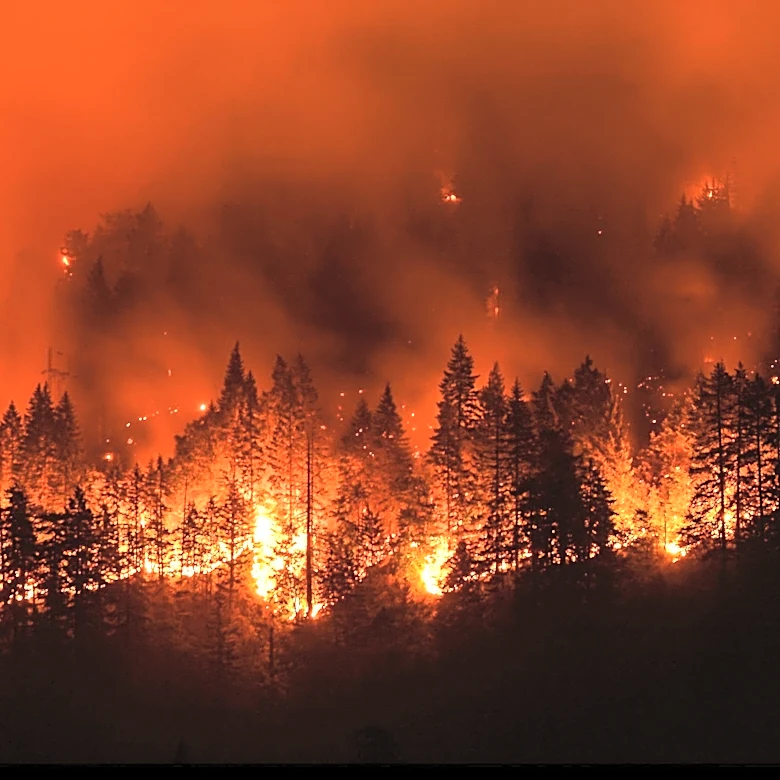
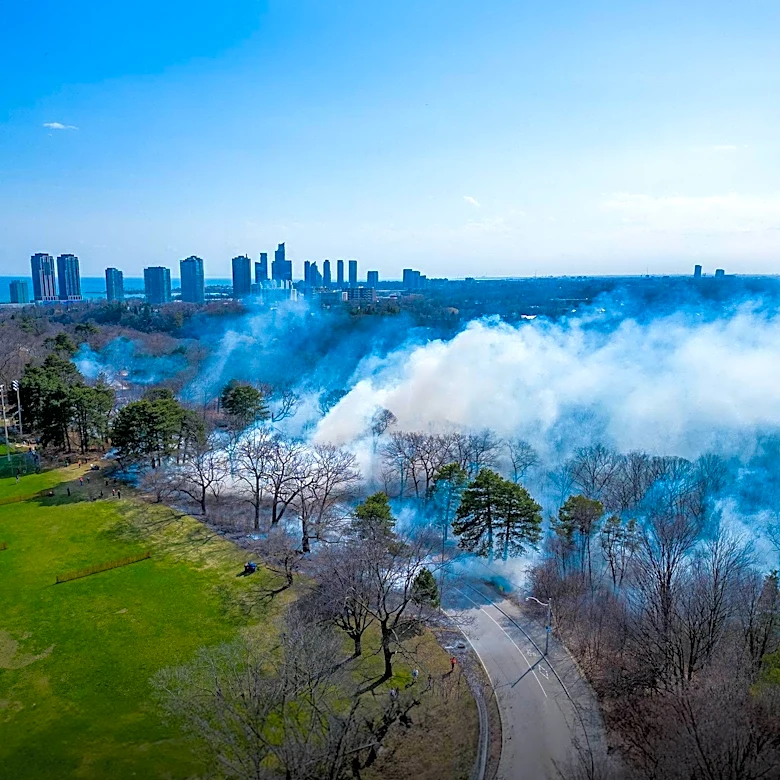
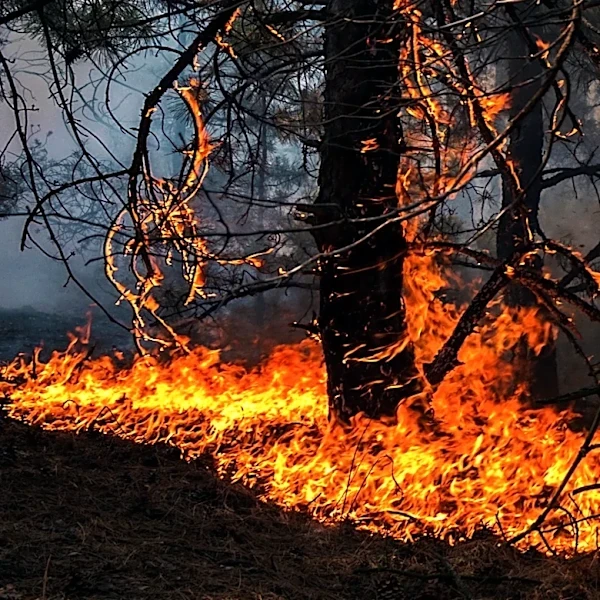
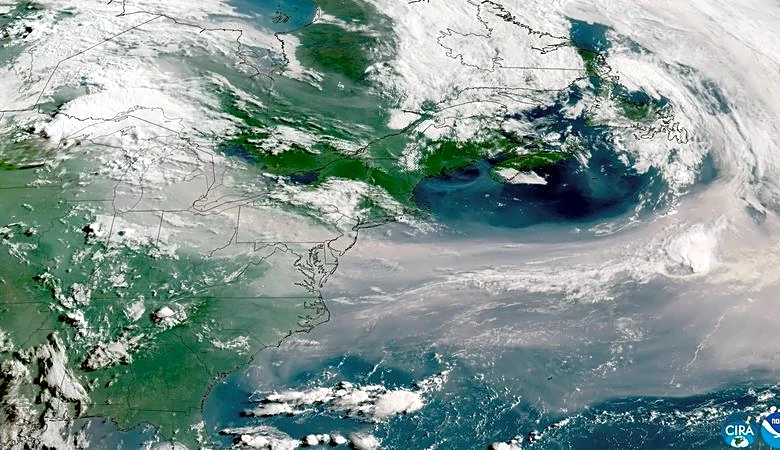
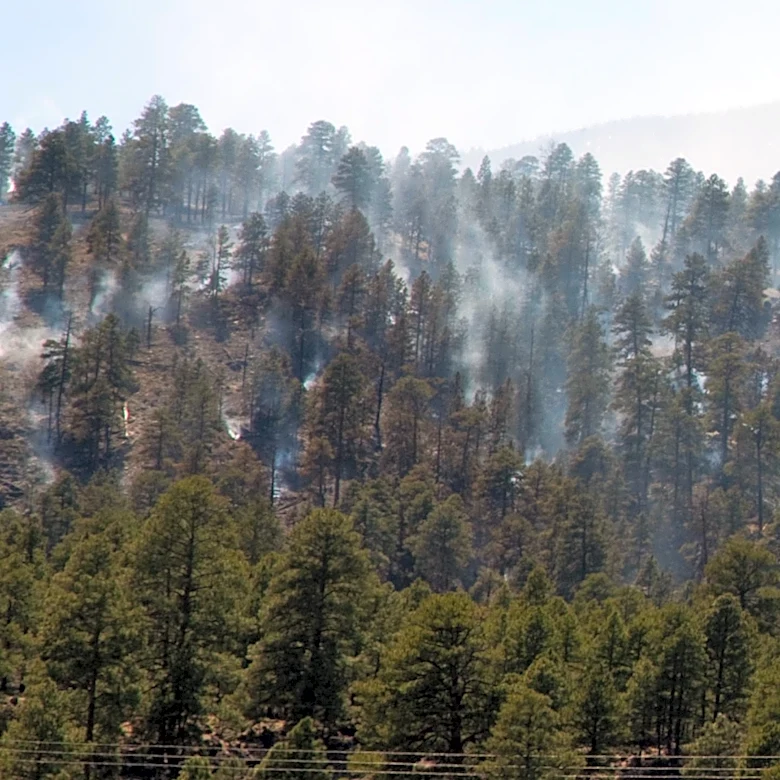
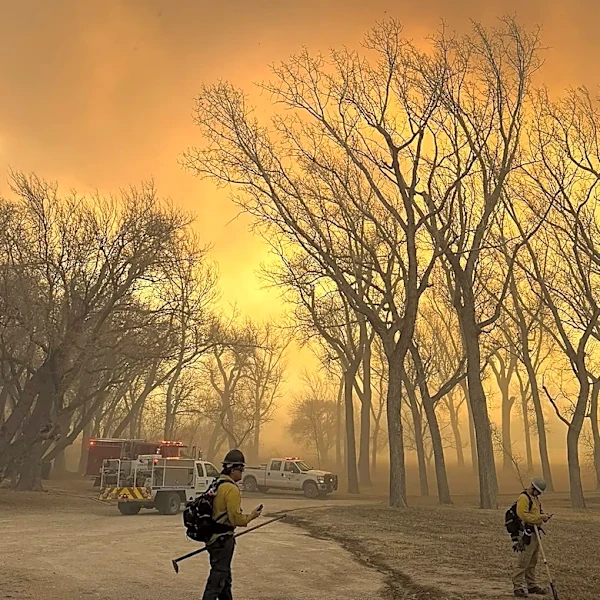
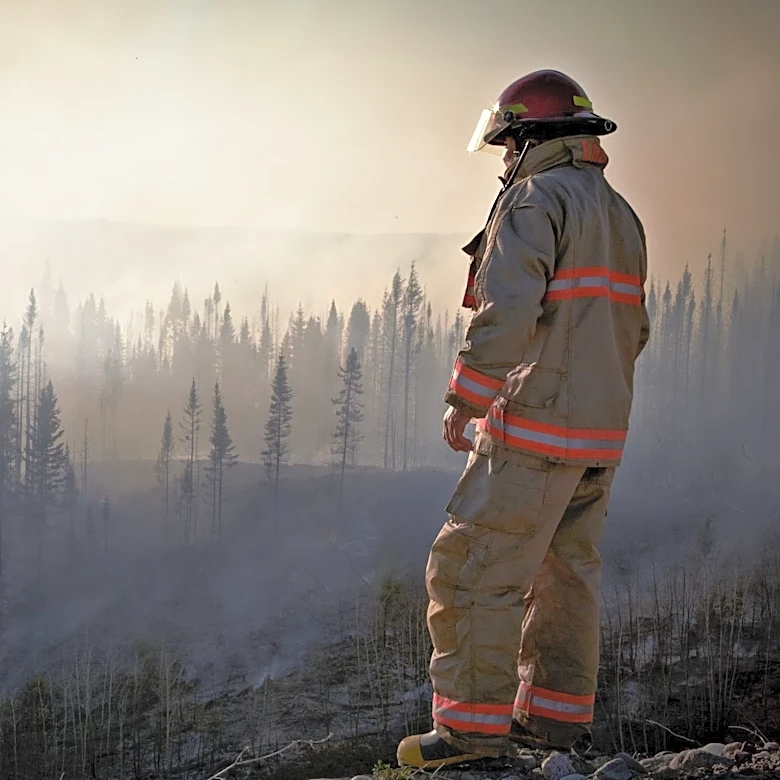
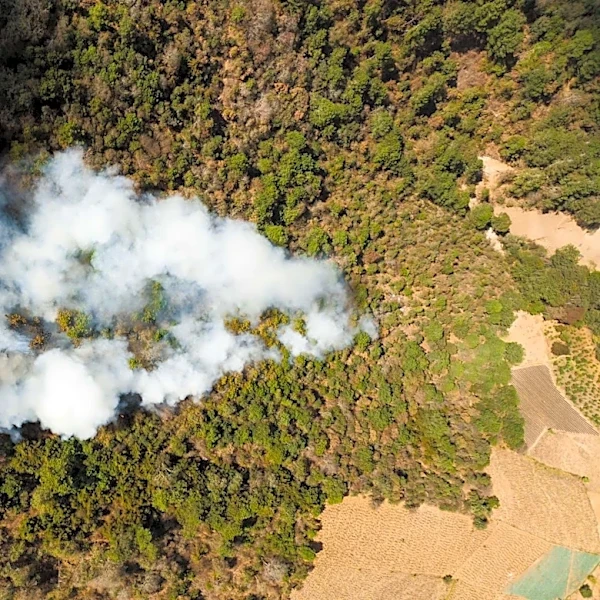
Wildfire smoke, containing fine particulates known as PM2.5, poses significant health risks as it spreads across regions affected by wildfires. These tiny particles can penetrate deep into the lungs and bloodstream, leading to inflammation, heart attacks, strokes, asthma, and other health issues. A study by the Scripps Institution of Oceanography highlights that wildfire smoke is up to ten times more harmful than other pollution types, such as car exhaust. As wildfires rage in areas like Ontario, Canada, and northern Minnesota, the resulting smoke is affecting air quality in the U.S., prompting health advisories. People are advised to stay indoors when the air quality index (AQI) is high, particularly above 150, to minimize exposure to these harmful particles.