Stanford Researchers Identify Protein Linked to Osteoarthritis, Paving Way for New Treatments
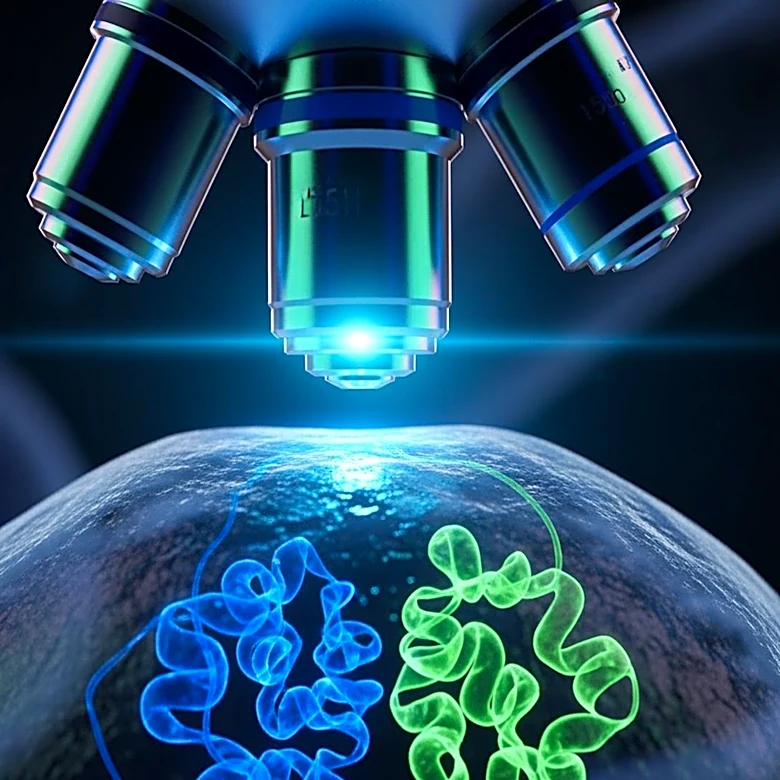
Researchers at Stanford University have identified a protein, 15-PGDH, that plays a significant role in the aging process and the development of osteoarthritis. This protein becomes more prevalent with age and disrupts tissue repair and inflammation reduction. The study, conducted on mice, demonstrated that inhibiting 15-PGDH can lead to cartilage regeneration, potentially offering a new treatment avenue for osteoarthritis. The research showed promising results, with treated mice exhibiting improved joint health and reduced pain. The findings suggest that targeting existing cartilage cells for regeneration could have substantial clinical benefits, potentially reducing the need for joint replacement surgeries.