Sanford Burnham Prebys Researchers Discover High Glucose Thickens Cancer Cells' Sugar Shield, Aiding Immune Evasion
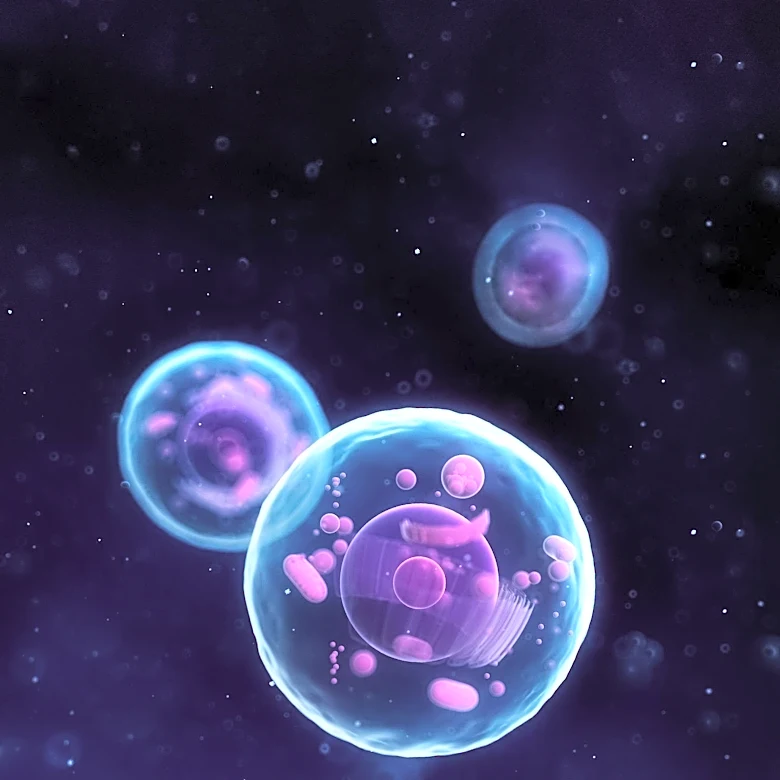
Scientists at Sanford Burnham Prebys Medical Discovery Institute, along with collaborators across North America, have published findings in Science Advances revealing that cancer cells can develop a thick sugar-derived molecular coat, or glycocalyx, which helps them evade the immune system. This cloaking mechanism is influenced by the tumor microenvironment, which includes immune cells, connective tissue, blood vessels, proteins, and carbohydrates. The study, led by Kevin Tharp, Ph.D., found that high glucose levels, or hyperglycemia, contribute to the thickening of this protective layer. The research identified that blocking a protein called heat shock factor 1 (HSF1) can prevent this thickening, potentially allowing the immune system to recognize and eliminate cancer cells. The study highlights the role of hyperglycemia in cancer progression and suggests that targeting HSF1 could be a promising strategy for cancer treatment.