Researchers Discover Evolutionary Shift in Carnivorous Dinosaurs
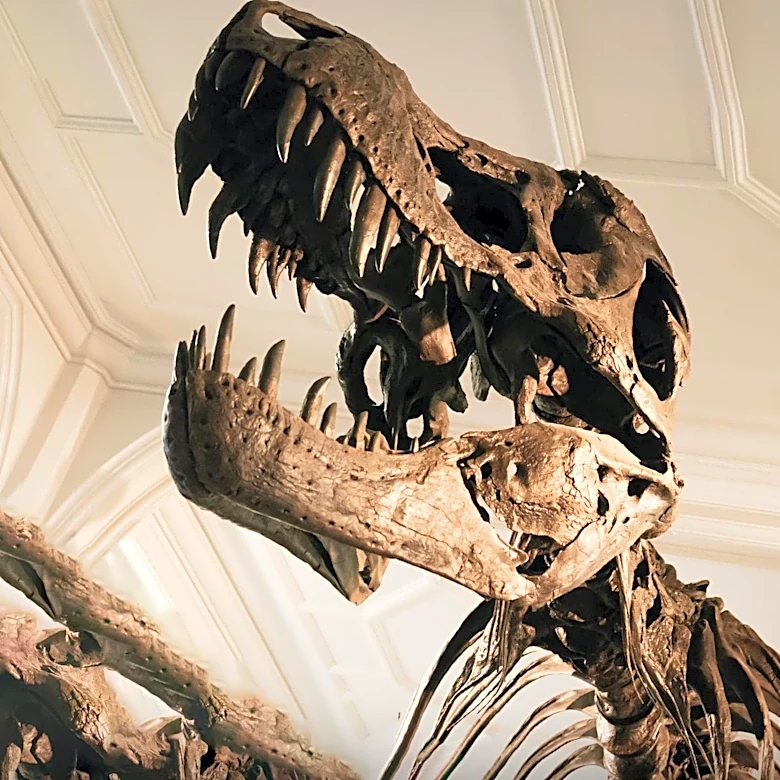
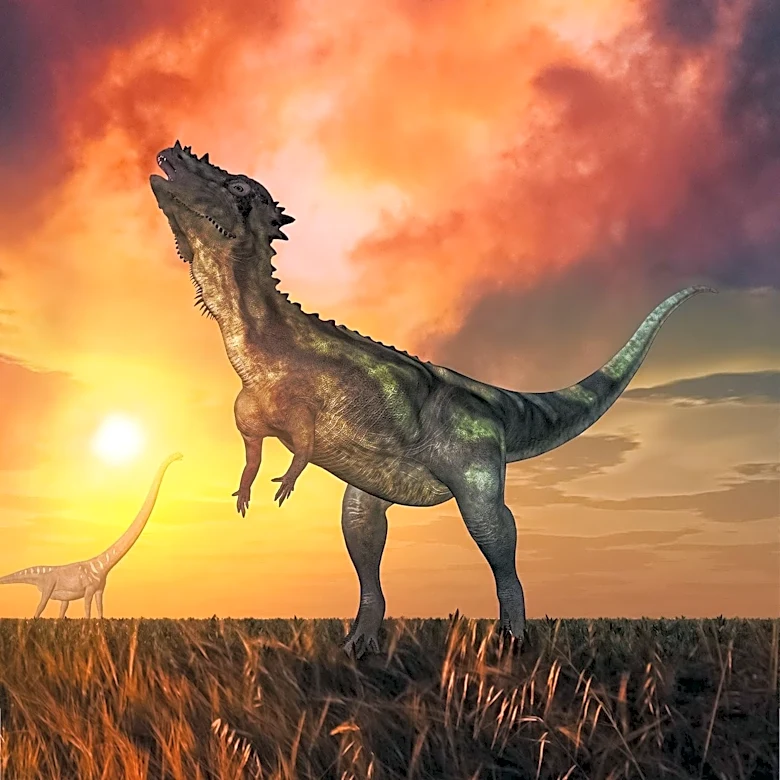
Researchers from the University of Cambridge and University College London have examined 82 species of theropods, a group of mostly carnivorous, two-legged dinosaurs. They found that reduced forelimbs evolved independently in at least five dinosaur lineages, including tyrannosaurids, abelisaurids, carcharodontosaurids, ceratosaurids, and megalosaurids. This reduction in arm size was closely connected to the evolution of massive, powerful jaws and skulls, suggesting a major evolutionary shift in hunting strategy. As giant plant-eating dinosaurs became more common, predators may have relied less on grasping prey with claws and more on delivering devastating bites. The study indicates that skulls became stronger before the arms began shrinking, pointing to a shift in attack mechanisms.