FDA Proposes New Cadmium Action Levels for Baby Foods and Clarifies Chemical Hazard Management
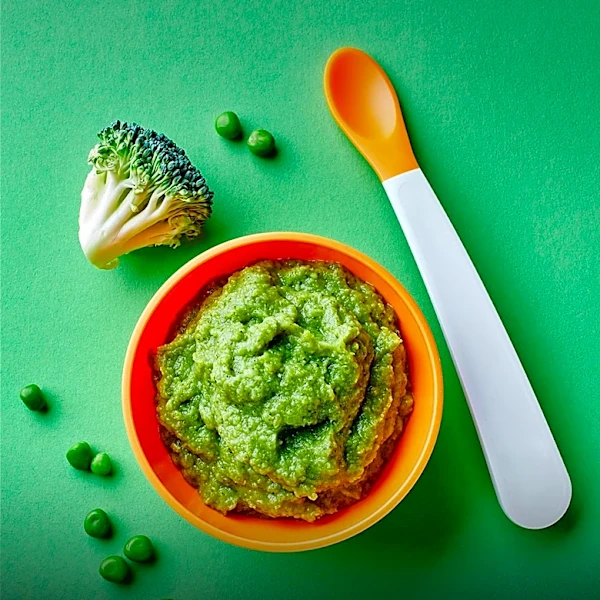
The U.S. Food and Drug Administration (FDA) has released new draft guidance proposing specific action levels for cadmium in five categories of processed foods intended for babies and young children. This initiative is part of the FDA's broader 'Closer to Zero' program, aimed at reducing exposure to heavy metals in foods. The proposed cadmium limits include 10 parts per billion (ppb) for most fruits, vegetables, and mixtures; 25 ppb for single-ingredient carrots and meats; 45 ppb for dry infant cereals; and 20 ppb for yogurts, puddings, and custards. These guidelines do not cover fresh produce, homemade foods, or snack foods. Additionally, the FDA issued a new draft chapter, Chapter 12, for its Hazard Analysis and Risk-Based Preventive Controls for Human Food, which outlines how manufacturers should identify and manage chemical hazards like lead, arsenic, and cadmium under the Food Safety Modernization Act (FSMA). The agency indicates that these proposed levels are achievable, with 84% to 100% of tested sam...