Legal Ambiguity Surrounds State Attribution for Non-State Actor Actions in Conflicts
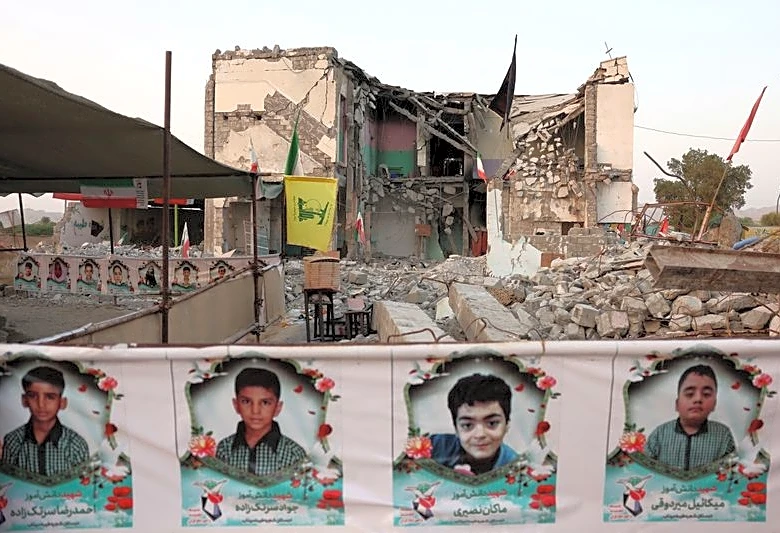
The complexity of attributing the actions of Non-State Actors (NSAs) to states in armed conflicts is a significant challenge in international law, as highlighted in Jenny Maddocks' book, 'Attribution of Non-State Actor Conduct During Armed Conflict.' The book examines case studies from Syria, Ukraine, and the Democratic Republic of the Congo, noting instances like Hezbollah's involvement in the Syrian conflict at Iran's instigation. The issue of state attribution is crucial for determining accountability in 'shadow warfare,' where clandestine and covert operations are common. International law faces ambiguity regarding the thresholds for armed conflicts and the gravity standard for armed attacks, which states often exploit to mask their involvement. The debate centers on two main legal tests for attribution: 'effective control' from the 1986 International Court of Justice Nicaragua Case, which requires tactical control over specific acts, and 'overall control' from the 1999 Tadic Appeal Case, which focuses...