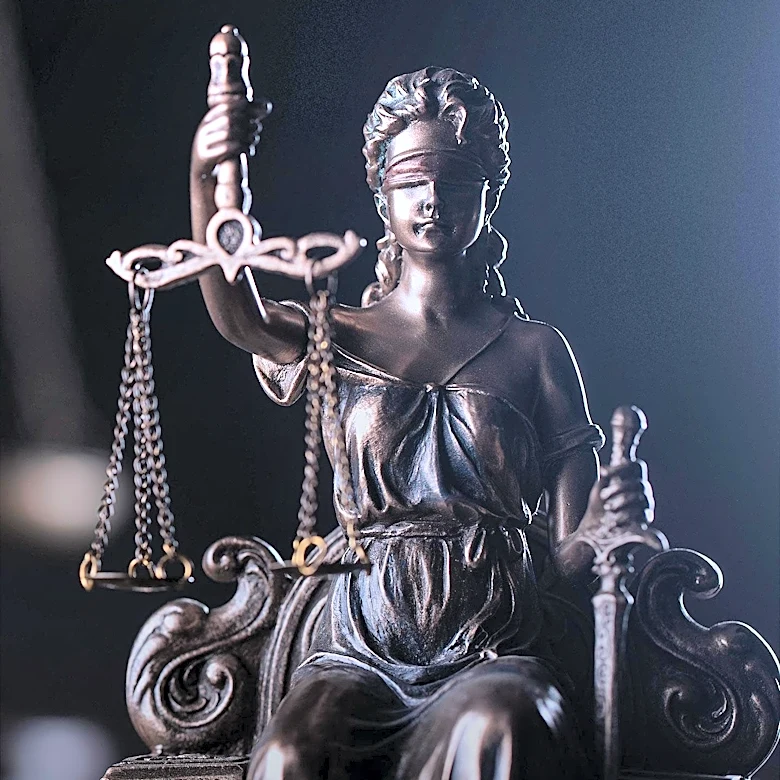
Fifth Amendment's Historical Context and Modern Implications Explored
The Fifth Amendment of the United States Constitution, known for its protection against self-incrimination, encompasses a broader range of rights including due process, double jeopardy, and just compensation for property taken for public use. Historically, these protections have evolved from English common law and have been shaped by significant legal and political developments in the U.S. The amendment's clauses have been interpreted and applied in various landmark cases, influencing the legal landscape of criminal justice and property rights. The article delves into the amendment's origins, its role in shaping American legal principles, and its ongoing relevance in contemporary legal debates.