New Dinosaur Species, Paludohadros proudlovii, Identified After 25 Years in Museum Collection
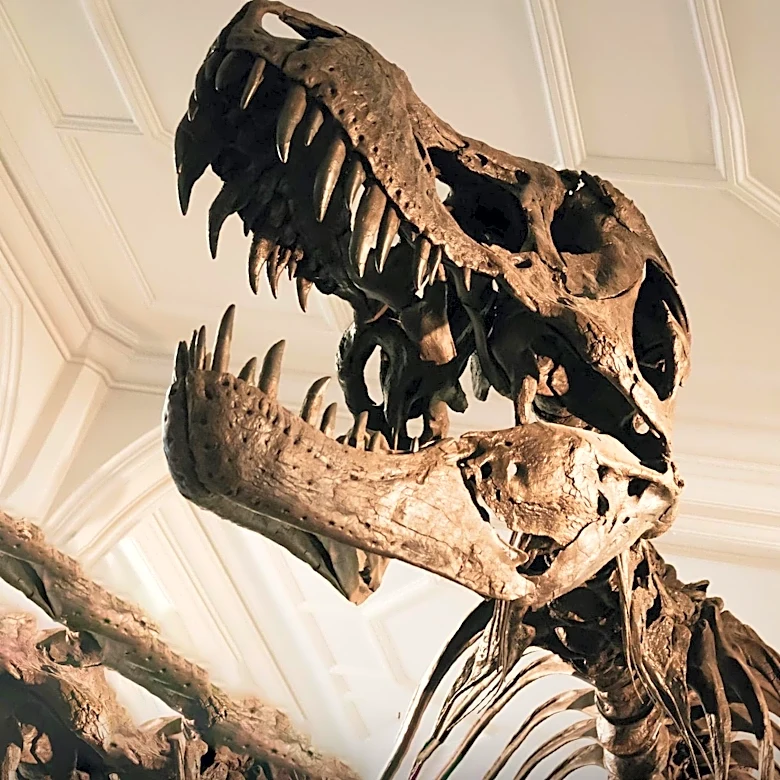
A new species of dinosaur, Paludohadros proudlovii, has been identified after its fossils remained mislabeled as Iguanodon in a London museum for 25 years. The fossils, discovered in 2001 at Ewhurst Works in Surrey, England, were donated to the Natural History Museum and reanalyzed in 2026. Paludohadros proudlovii, a plant-eating Iguanodontian, lived approximately 125 million years ago during the Early Cretaceous period in southern England's swampy Weald Clay Formation. The specimen found was a juvenile, estimated to be about 16 feet long and weighing up to 2.2 tons, with paleontologists believing adults could have been twice that size. The name 'Paludohadros' means 'swamp' in Latin, reflecting its habitat, while 'proudlovii' honors Will Proudlove, a dinosaur enthusiast who worked at the fossil site and passed away a year before the discovery. The proximity of its fossils to those of Baryonyx, a large carnivorous dinosaur, suggests that a Baryonyx may have preyed upon or scavenged the young Paludohadros pr...