Uberaba Geopark's Role in Sustainable Livestock Practices and Emission Reduction
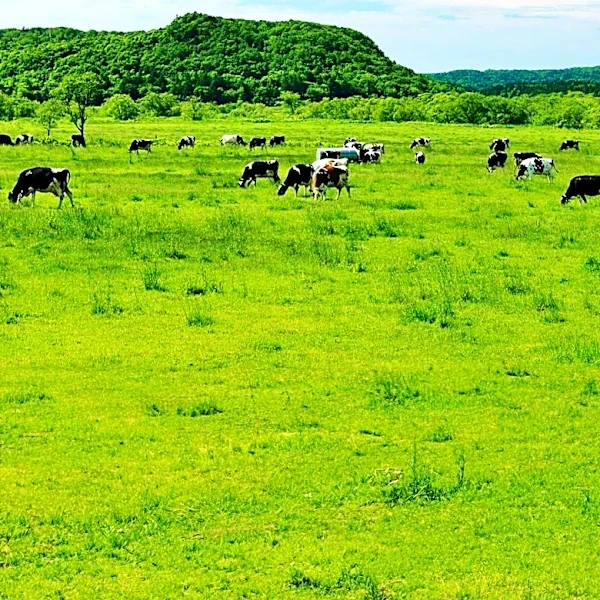
The Uberaba Geopark in Brazil, recognized by UNESCO, is a significant site for both geological and agricultural advancements. Historically, it has been pivotal in the development of Brazil's livestock market, particularly with the introduction of zebu cattle from India in the 19th century. These cattle are better suited to Brazil's climate and require less food than the common domesticated cattle, Bos taurus. Importantly, zebu cattle produce lower greenhouse gas emissions, contributing to more sustainable livestock practices. The geopark, located in the Cerrado savanna, is also a critical carbon sink and hosts a diverse range of plant and animal species. It is open to visitors, offering museums and trails that highlight its rich prehistoric and natural heritage.