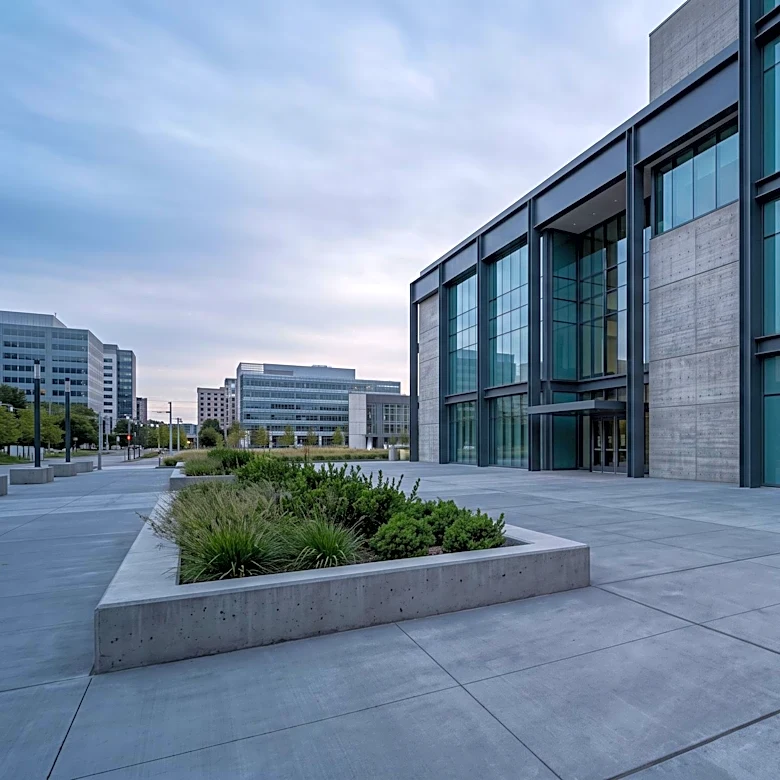
Biophilic Design Integrates Nature into U.S. Homes and Offices for Enhanced Well-being
Biophilic design is gaining traction in U.S. architecture, particularly in cities like Seattle, by integrating natural elements into built environments. This design philosophy moves beyond simply adding plants to a space; it focuses on creating a deliberate connection between people and the natural world through various architectural and design choices. Key aspects include visual access to greenery, the use of natural materials, variation in natural daylight, and the incorporation of water features and natural textures. The goal is to foster a stronger sense of connection to nature, influencing elements like circulation, window placement, material selection, and lighting from the initial design stages. Projects like Copper Hall exemplify this approach, featuring living walls in conference rooms and gyms to introduce natural variation and improve the user experience. The design emphasizes integration over mere decoration, ensuring that nature is an intrinsic part of the architecture rather than an afterthou...