Tuzoia Arthropod's Soft Tissues Revealed in New Cambrian Fossil Discoveries
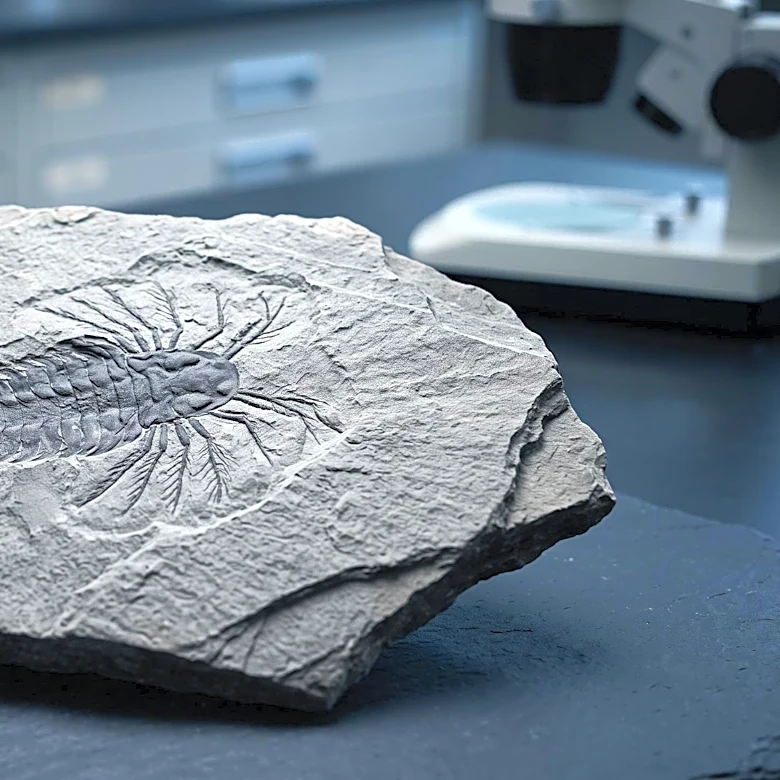
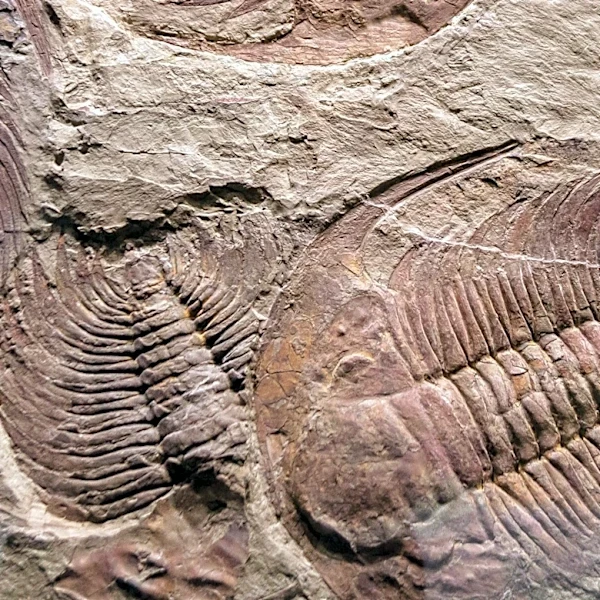
New discoveries of Cambrian fossils, particularly from the Burgess Shale, have provided unprecedented insights into the soft anatomy of the ancient arthropod Tuzoia. Previously, only its distinctive two-valved carapace with a net-like pattern, raised lateral ridge, and prominent marginal spines were well-known. Charles Doolittle Walcott established the genus Tuzoia in 1912 based on these carapaces, which are abundant in Cambrian rocks. However, the soft tissues beneath the shell were rarely preserved, leaving much unknown about its head, limbs, and evolutionary placement. Recent studies, including 2022 phylogenetic analyses, have examined a small number of specimens with preserved soft tissues, revealing details such as eyes on short supports and an elongated, fine structure interpreted as a possible antenna. These findings are beginning to clarify its body plan and suggest a tentative placement near the base of the mandibulate group, though some mouthpart identities remain unresolved.