National Institutes of Health Research Suggests Fever-Like Temperatures May Temporarily Improve Autism Symptoms in Preclinical Models
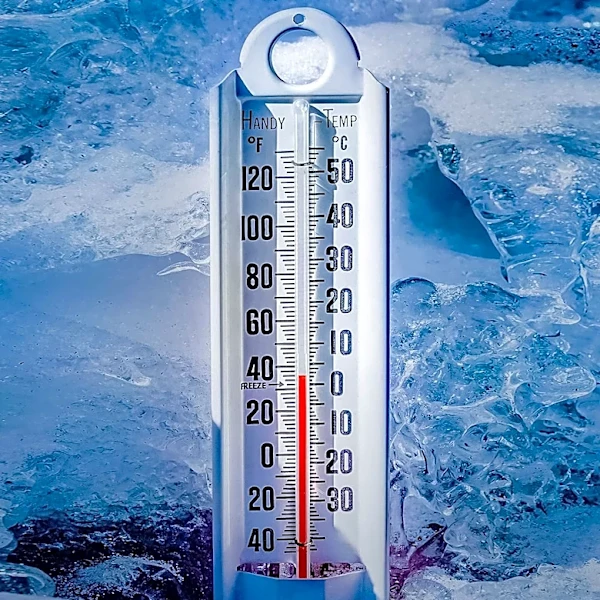
Researchers at the National Institutes of Health (NIH) have conducted a study using a mouse model of autism spectrum disorder (ASD) to investigate the 'fever effect,' a phenomenon where some autistic children experience temporary improvements in communication, hyperactivity, repetitive behaviors, and mental functions during a fever. Published in Molecular Psychiatry, the study suggests that the thermal component of a fever, rather than immune activation, may be responsible for these temporary cognitive changes. The team, led by senior author Michelle W. Antoine, focused on Scn2a+/- juvenile mice, which carry a genetic mutation associated with autism-like behaviors. They observed that at fever-like temperatures, these mice showed improved problem-solving, learning, spatial navigation, and tactile discrimination skills. Electrophysiological recordings revealed that abnormally increased neuronal spiking activity in the somatosensory cortex normalized at fever-like temperatures. The researchers identified pota...