UL Research Institutes Report Reveals Extreme Heat's Impact on Indoor Air Quality and Building Materials
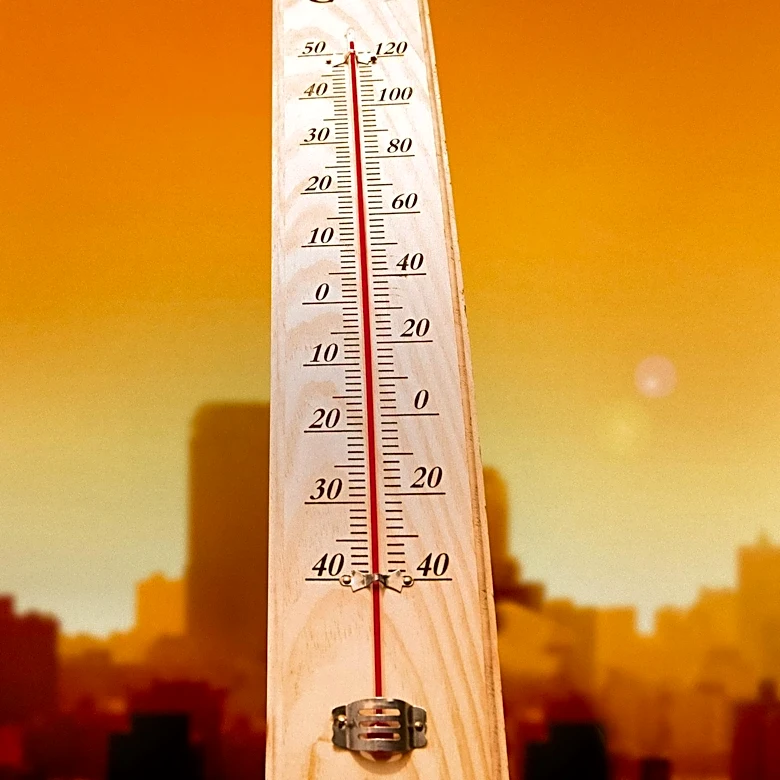
UL Research Institutes’ Chemical Insights, in collaboration with the International Facility Management Association, has released a report titled 'The Heat Inside: Why Extreme Heat is Becoming a Critical Facility Management Risk.' The study investigates how extreme heat affects indoor air quality, the performance of building materials, occupant well-being, and business continuity. Scientists tested common ceiling, wall, and floor materials at both a standard room temperature of 73°F (23°C) and an elevated temperature of 95°F (35°C). The findings indicate that all tested materials, whether natural or synthetic, emitted volatile organic compounds (VOCs), with total VOC and aldehyde concentrations generally higher at the elevated temperature. Notably, some chemicals, such as benzophenone and neodecanoic acid in resilient flooring, were detected exclusively at 95°F. The report highlights that 'low-VOC' claims on products can be misleading, as they do not always reflect overall VOC emissions, and existing certif...