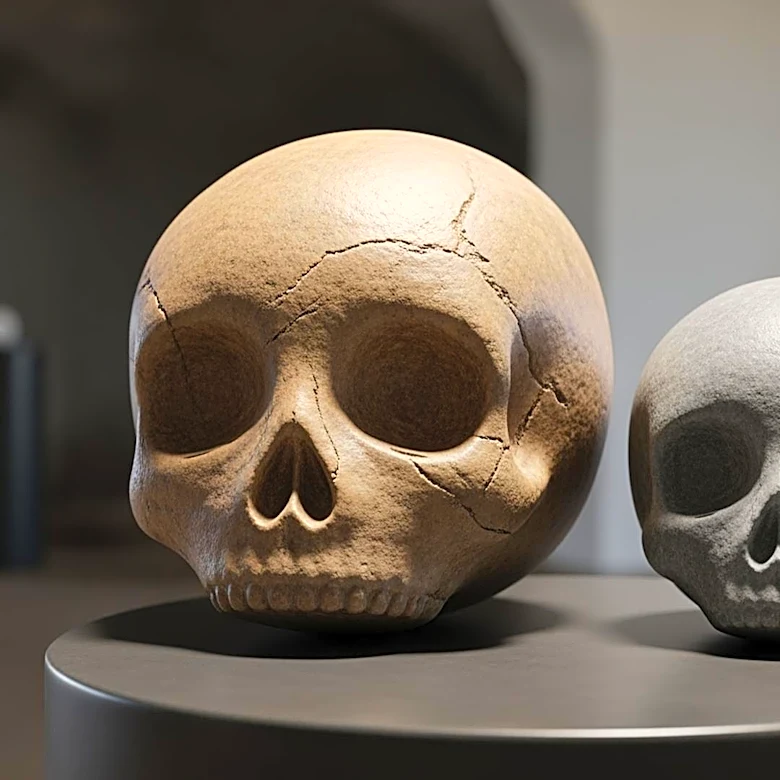
Scientists Discover Neanderthal Infants Were Larger and Grew Faster Than Modern Humans
A team of scientists from Israel and Europe has discovered that Neanderthal infants were significantly larger and developed more rapidly than modern human babies. This conclusion was drawn from the analysis of a six-month-old Neanderthal child's remains, which were found in a cave in Northern Israel. The child's skeletal remains, dating back 51,000 to 56,000 years, revealed thick bones and a large skull, suggesting an older age. However, the development of the teeth indicated a much younger age, as detailed in a study published in the journal Current Biology. The research highlights that Neanderthal infants, much like the fictional character Bamm-Bamm Rubble from 'The Flintstones', were robust and well-built, a trait that likely contributed to their survival in the harsh conditions of prehistoric Europe and Asia.