Russia Maintains Nuclear Triad Capability Amidst Evolving Global Threats
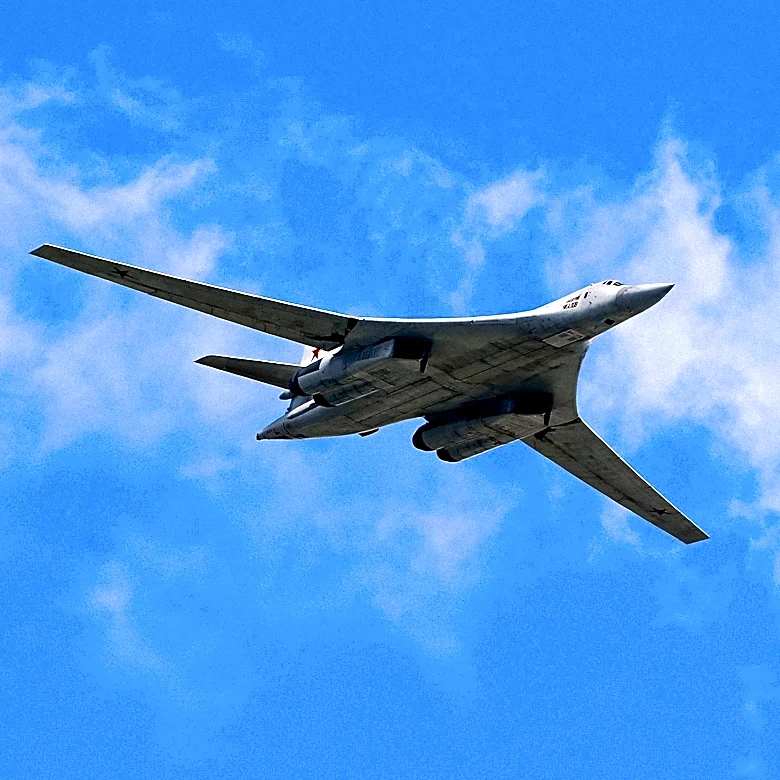
Russia continues to possess a robust nuclear triad, a strategic military doctrine designed to ensure retaliatory strike capability even after an initial attack. This triad consists of land-based missiles, submarine-launched missiles, and strategic bombers. The concept of a nuclear triad emphasizes survivability and mutual assured destruction, serving as a cornerstone of nuclear deterrence. The development of this capability dates back to the Cold War era, specifically to August 29, 1949, when the Soviet Union successfully detonated its first atomic weapon, code-named RDS-1 or 'Pervaya Molniya' by the Soviets and 'Joe-1' by the United States. This event ended the U.S. monopoly on nuclear weapons and initiated a new phase of the Cold War, characterized by an arms race and the principle of nuclear deterrence. Today, Russia holds the largest nuclear arsenal globally, with approximately 5,459 nuclear warheads, slightly more than the United States' 5,177. These warheads are allocated across its land-based ballis...