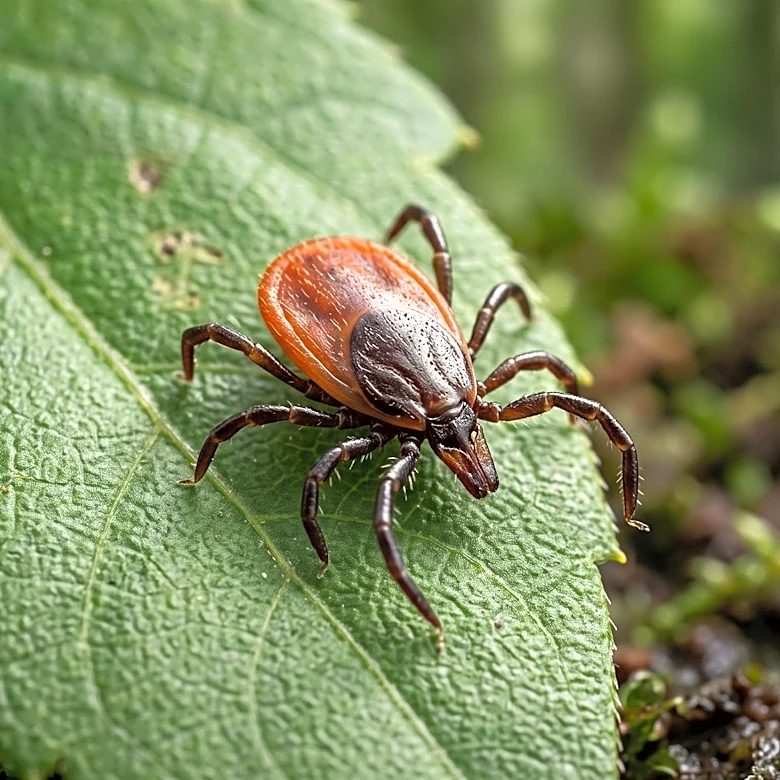
Tick Bites Can Transmit Multiple Pathogens Simultaneously, Study Confirms
A recent study published in Ecosphere, examining over 2,000 nymphal blacklegged ticks from Dutchess County, New York, between 2014 and 2022, revealed that 38.8% of these ticks carried at least one pathogen. More significantly, 9% carried two pathogens, 20 carried three, and one tick carried four. The most frequent co-infection observed was Borrelia burgdorferi (causing Lyme disease) and Babesia microti (causing babesiosis). This combination was consistently detected throughout the study period and occurred more often than expected from independent infection patterns in seven of the nine years. While the presence of multiple pathogens in a tick does not guarantee transmission of all, a single blacklegged tick can indeed transmit multiple infections, leading to human co-infections involving Lyme disease, babesiosis, anaplasmosis, and other tick-borne illnesses. The study emphasizes that the sequence from a co-infected tick to clinical illness involves several steps, including attachment, feeding, pathogen tr...