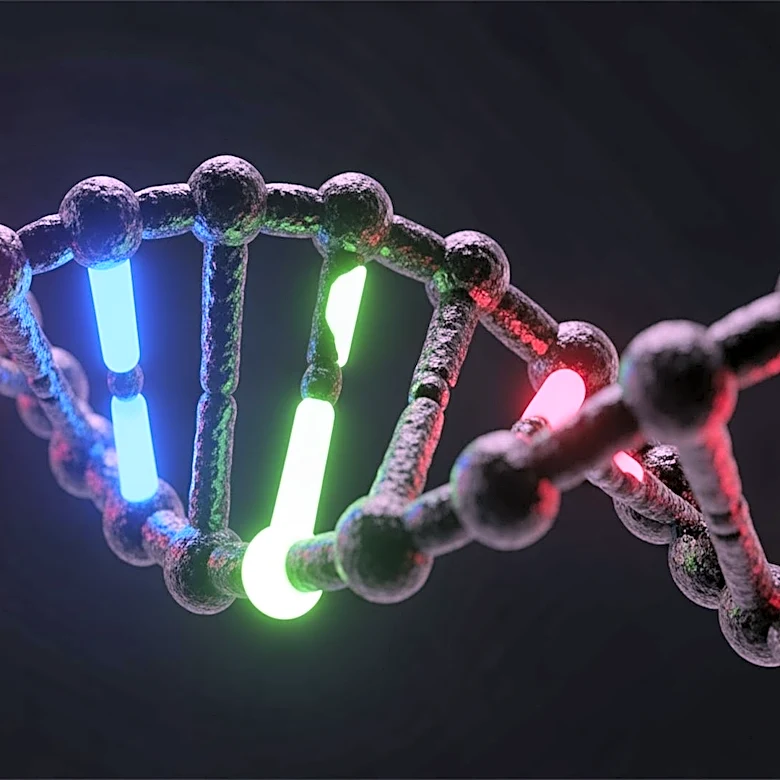
New Genome Editing Method Allows Large-Scale Gene Replacement
Researchers have developed a new genome editing technology that enables the insertion of large DNA segments into a genome, potentially revolutionizing gene therapy. This method, known as prime assembly, builds on prime editing techniques and allows for the replacement of entire genes rather than just small edits. The technology avoids the traditional bottleneck of double-strand breaks in donor DNA, which can be toxic to cells. Instead, it uses overlapping flaps to attach DNA to the genome, allowing for the correction of up to 1,000 mutations simultaneously. The study, conducted by scientists from The Ohio State University and the University of Massachusetts Chan Medical School, demonstrated the method's effectiveness in mammalian cells, achieving DNA segment insertions of up to 11,000 base pairs.