OECD Warns of Global Economic Impact from Middle East Energy Disruption
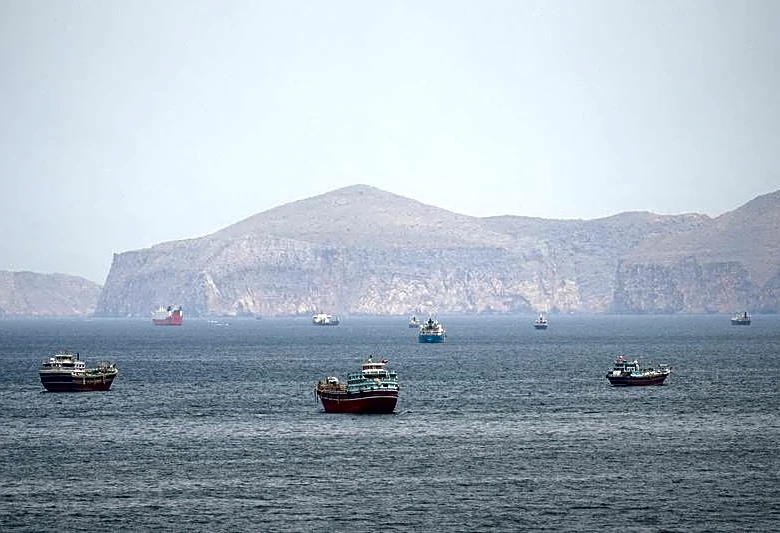
The Organization for Economic Cooperation and Development (OECD) has issued a report highlighting the severe global economic repercussions of prolonged energy supply disruptions from the Middle East, particularly due to the ongoing conflict involving Iran. The report indicates that the closure of the Strait of Hormuz, a critical chokepoint for global oil and gas shipments, has significantly reduced energy supplies, impacting economies worldwide. Asian countries, heavily reliant on Persian Gulf energy resources, and poorer nations, where a large portion of income is spent on fuel and food, are expected to be the hardest hit. The OECD projects that global economic growth could slow dramatically, with potential recessions in some countries if the disruption continues. The report also outlines a scenario where energy supplies begin to normalize mid-year, which would still result in slowed growth but with a quicker recovery.