UC San Francisco Researchers Predict Epilepsy 'Brain Blips' with Neuron-Level Probes
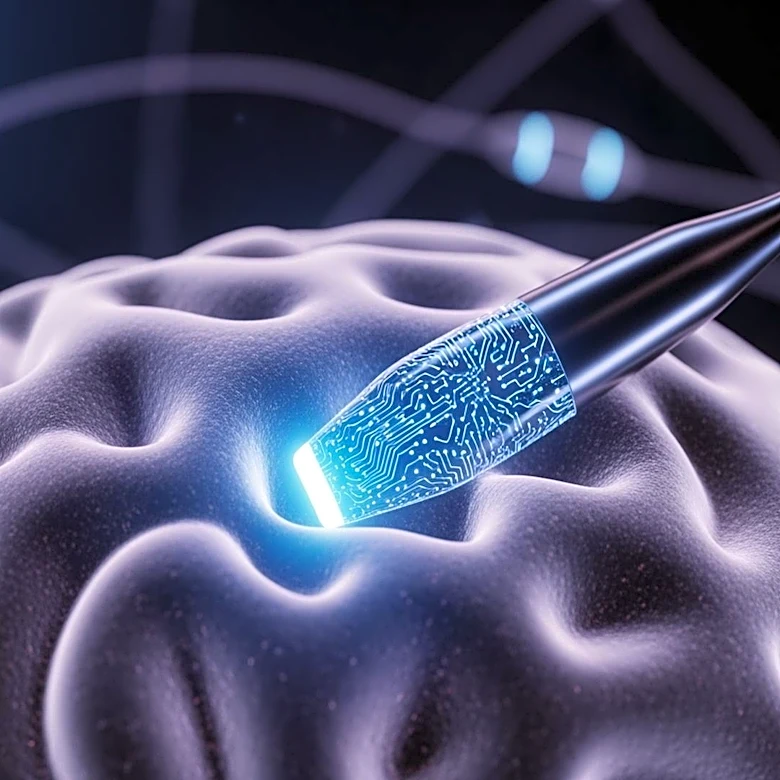
Scientists at UC San Francisco have made a significant breakthrough in understanding epilepsy by discovering that 'brain blips,' or interictal epileptiform discharges (IEDs), are not random events. These brief bursts of abnormal brain activity can be predicted a full second before they occur, using high-resolution technology that records the activity of individual neurons. The study involved tracking over 1,000 neurons in four patients undergoing epilepsy surgery. The researchers used Neuropixels probes, which offer a three-dimensional view of brain activity, to observe the sequential activation of neurons during IEDs. This discovery could lead to new ways to prevent these disruptions, which interfere with attention, memory, language, and sleep, and contribute to cognitive impairment in epilepsy patients.