Discovery of 700 Fossils in China Challenges Understanding of Life's Evolution
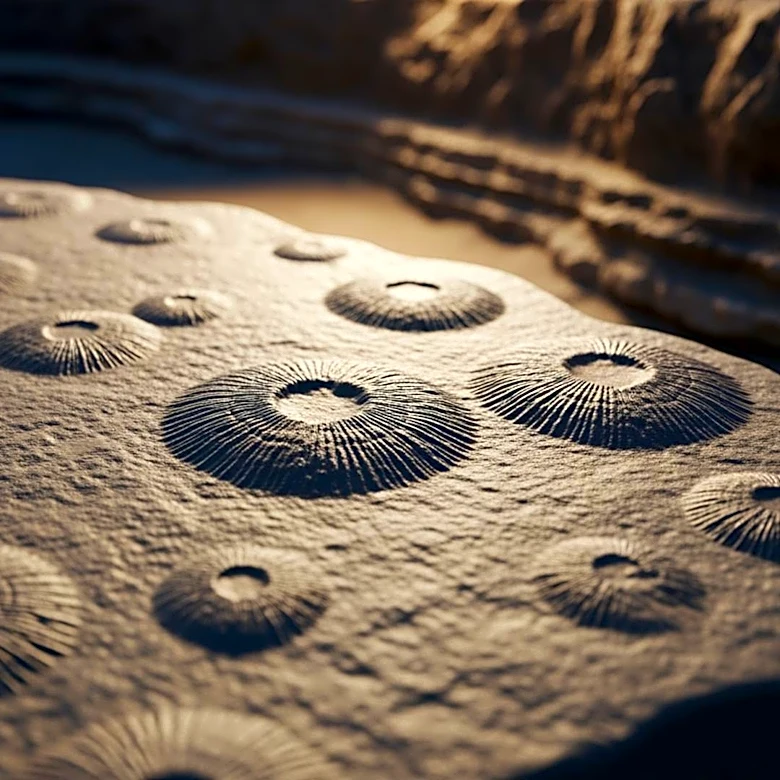
A new fossil site in southwest China, known as the Jiangchuan Biota, has been discovered, containing approximately 700 fossils that date back 539 to 554 million years. This discovery provides new insights into the transition between the Precambrian and Phanerozoic eons. The fossils include previously unknown lifeforms and others that were thought to exist only in Cambrian rocks, suggesting that complex life may have originated earlier than previously believed. The presence of bilaterians, including deuterostomes, indicates that ancestors of modern vertebrates, including humans, existed during the Ediacaran period.