ADHD Study Reveals Three Distinct Brain Profiles Through MRI Analysis
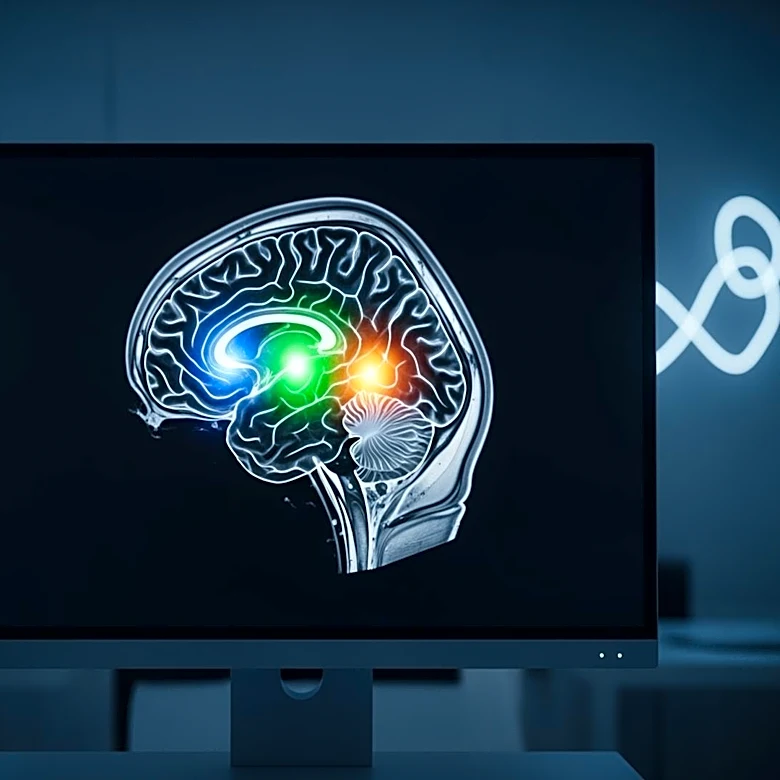
A new study has identified three distinct brain profiles in children with ADHD, using MRI data from nearly 1,900 participants across China, the United States, and other countries. Led by Nanfang Pan, M.D., from the West China Hospital of Sichuan University, the research utilized morphometric similarity networks to map structural similarities across different brain regions. The study found that ADHD manifests in three configurations, each corresponding to existing DSM categories: inattentive, hyperactive-impulsive, and combined types. Notably, a severe form of ADHD was identified, characterized by deviations in 45 brain regions, particularly affecting emotional regulation. This subtype, termed 'emotional dysregulation ADHD,' aligns with serotonin, dopamine, acetylcholine, and histamine systems, suggesting a need for tailored treatment approaches.