University of Arizona Study Links Andean Volcanism to Climate Change and Marine Ecosystem Shifts
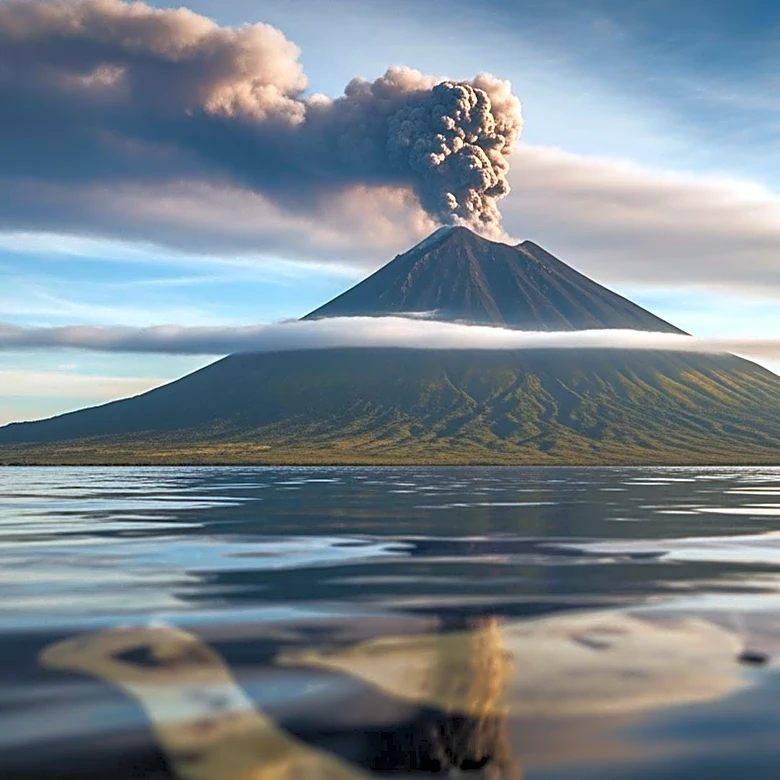
Researchers from the University of Arizona have uncovered a significant link between volcanic activity in the Andes and historical climate change, as well as its impact on marine ecosystems. The study, published in Nature Communications Earth & Environment, highlights how volcanic eruptions in the Andes, particularly during the late Miocene epoch, released vast amounts of volcanic ash into the atmosphere. This ash, rich in nutrients like iron, phosphorus, and silicon, was deposited into the Southern Ocean, triggering a chain reaction in marine ecosystems. The influx of nutrients led to increased activity among primary producers such as diatoms, which are crucial food sources for marine life, including whales. This nutrient surge is believed to have caused widespread algal blooms, which not only provided food but also released toxins that were lethal to marine mammals in areas like Cerro Ballena, Chile, known for its high concentration of whale fossils.