Early Galaxies May Be Source of High-Energy Neutrinos, New Research Suggests
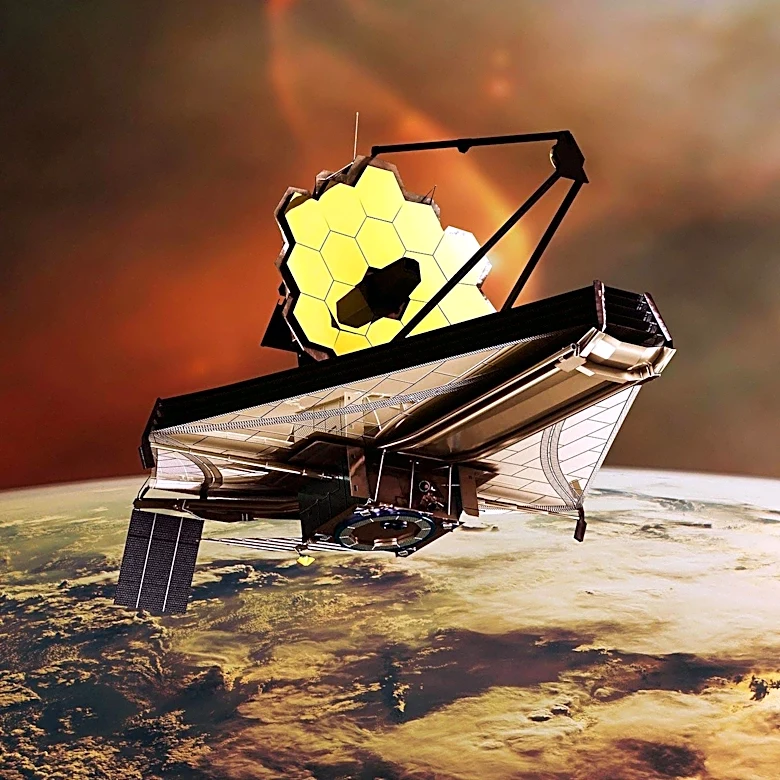
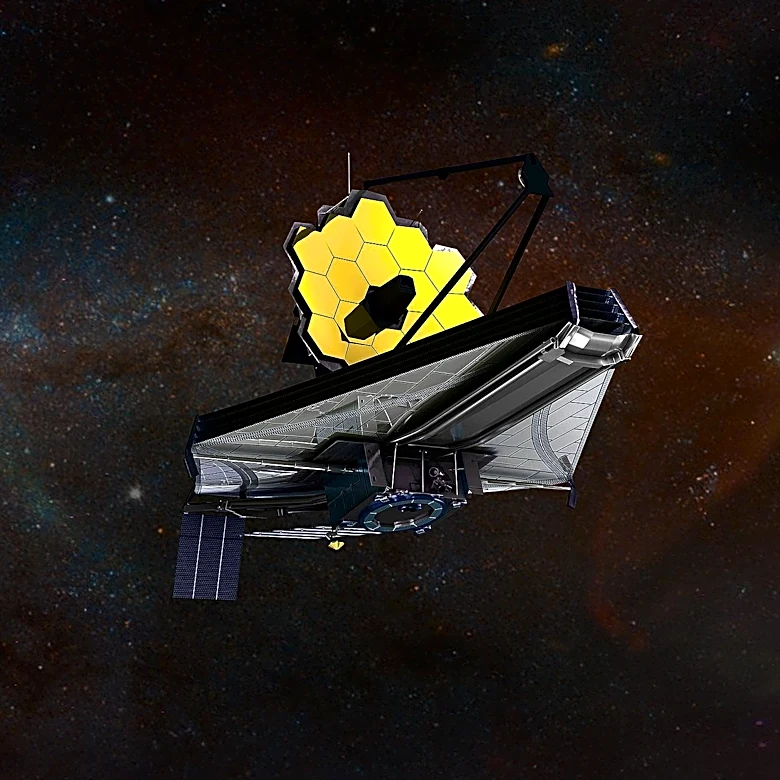
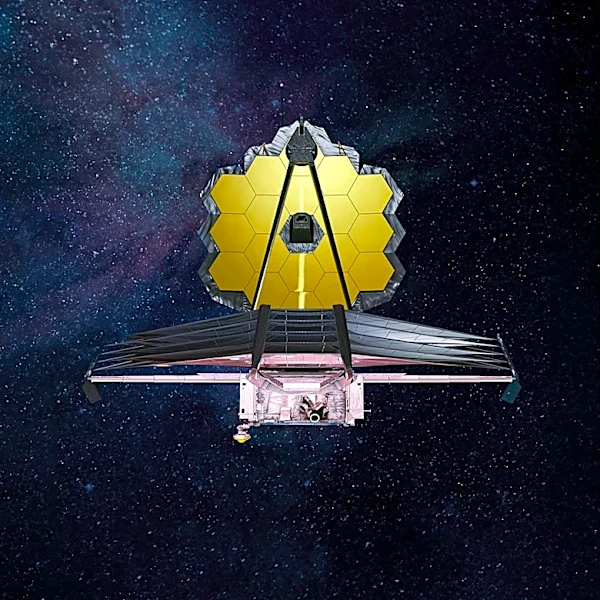
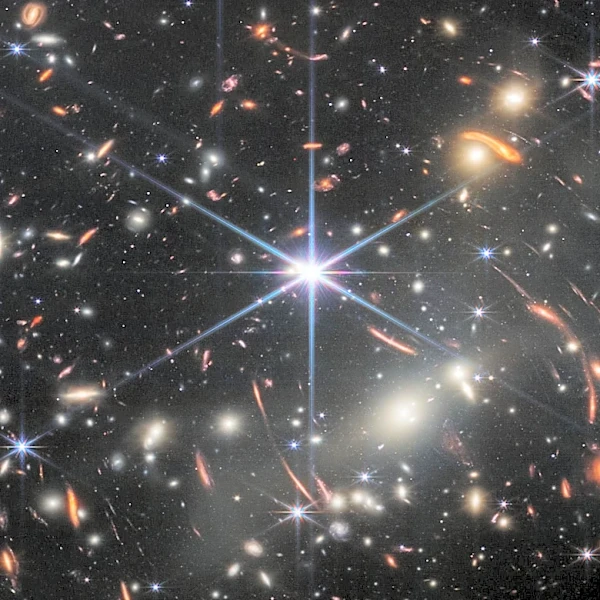
New research indicates that early galaxies, specifically compact, crimson-hued objects dubbed 'Little Red Dots' (LRDs) discovered by the James Webb Space Telescope, could be the source of high-energy neutrinos detected on Earth. These LRDs, existing between 0.6 and 1.6 billion years after the Big Bang, are believed to harbor rapidly growing supermassive black holes (SMBHs) at their centers, making them early-universe quasars. Neutrinos, often called 'ghost particles' due to their minimal interaction with matter, are detected by observatories like the IceCube Neutrino Observatory. The origin of this all-sky neutrino background has been a long-standing mystery in astrophysics. The study, led by Riku Kuze of Kyoto University, proposes that the dense gaseous envelopes surrounding these LRDs could absorb gamma rays while allowing neutrinos to escape, thus explaining the discrepancy between observed gamma-ray and neutrino backgrounds. This theory aligns with several observed properties of LRDs, including their c...