Researchers Achieve Cryogenic Revival of Mouse Brain Tissue, Paving Way for Human Hibernation Studies
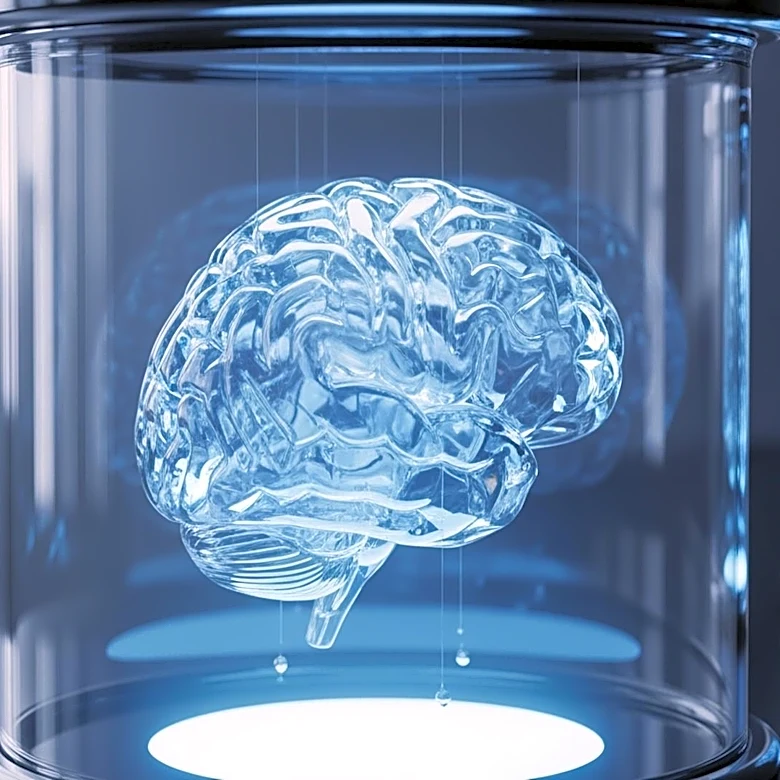
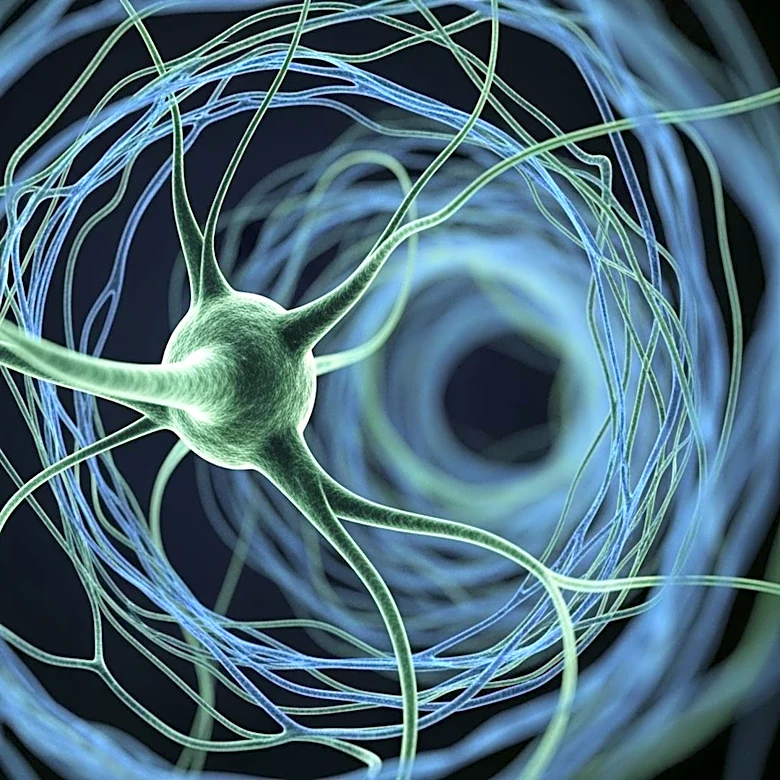
In a groundbreaking study, scientists have successfully revived mouse brain tissue that was frozen to minus 196 degrees Celsius, demonstrating the tissue's resilience to extreme cold. This research, published in the Proceedings of the National Academy of Sciences, involved vitrification, a process where water is used to cool the tissue rapidly, halting molecular movement. The study, led by Alexander German, MD, at Germany's University Hospital Erlangen, found that the hippocampal tissue of mice, responsible for memory and learning, maintained structural integrity and functional neurons after rewarming. This advancement suggests potential applications in human hibernation, a concept often explored in science fiction but now gaining scientific traction.