UN Security Council Veto Power Undermines Enforcement of International Law, Creating 'Anomic Zones'
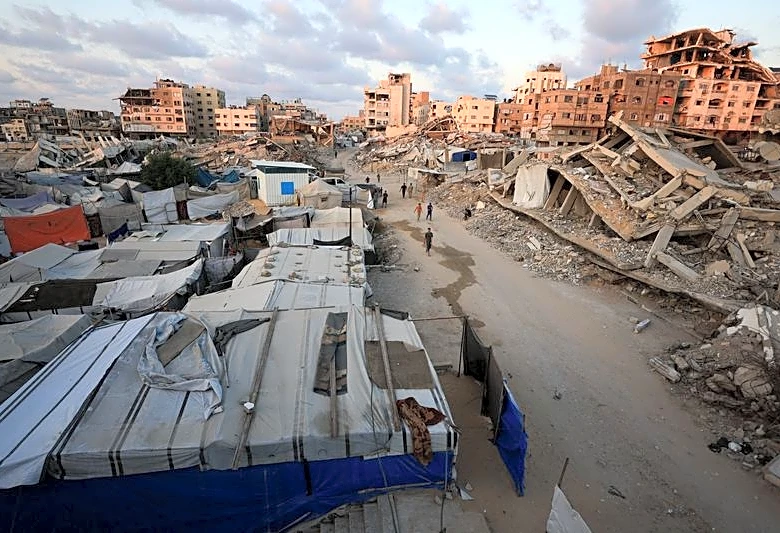
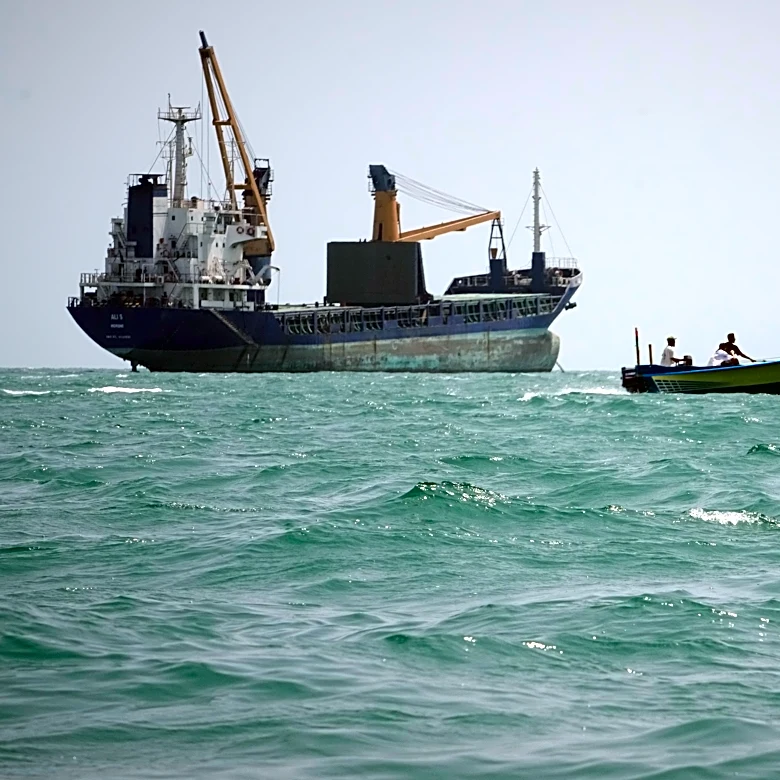
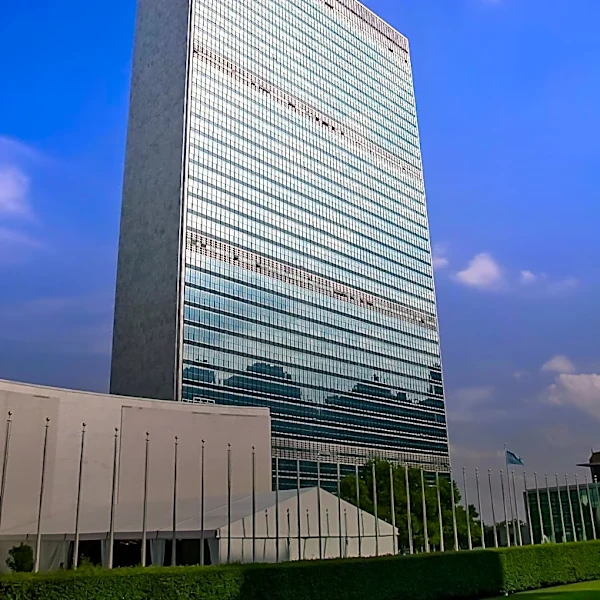
The United Nations Security Council's (UNSC) veto power, held by its five permanent members (P5), is being criticized for rendering international legal norms ineffective, particularly in situations of mass atrocities. This mechanism, outlined in Article 27(3) of the UN Charter, allows any single P5 state to block enforcement actions, sanctions, or military interventions under Chapter VII. Critics argue that this power creates a 'legalized anomic zone,' where formally valid humanitarian norms lose their substantive force, leaving populations vulnerable. The ongoing situation in Gaza is cited as a prime example, where mass civilian casualties, contested humanitarian access, and Security Council paralysis highlight the limitations of the current international legal architecture. Civilian relief initiatives, such as maritime flotillas, are attempting to fill this enforcement gap, often coming into direct conflict with state authority.