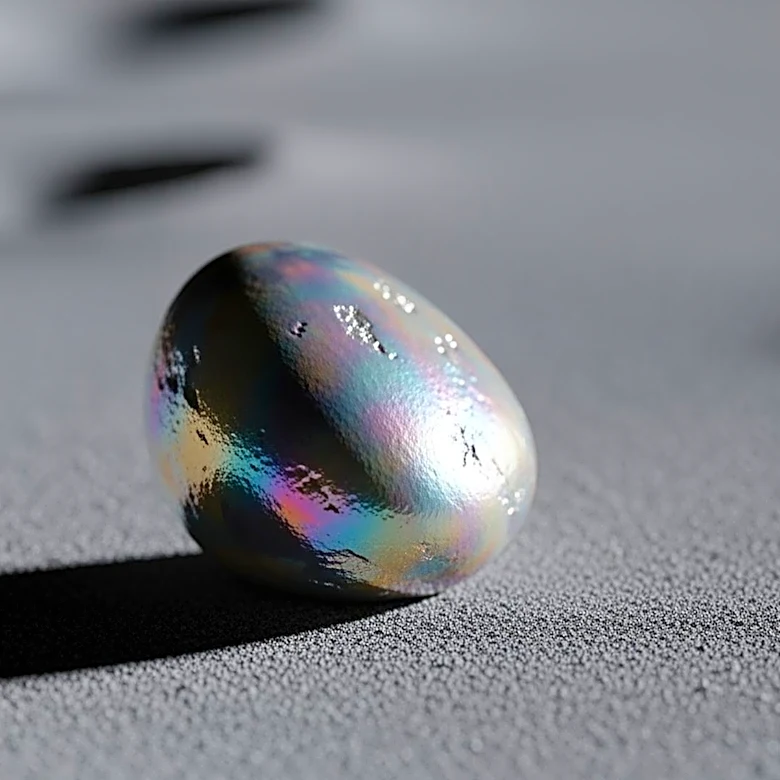
NASA Faces Challenges with Atomic Oxygen Impact on Spacecraft Materials
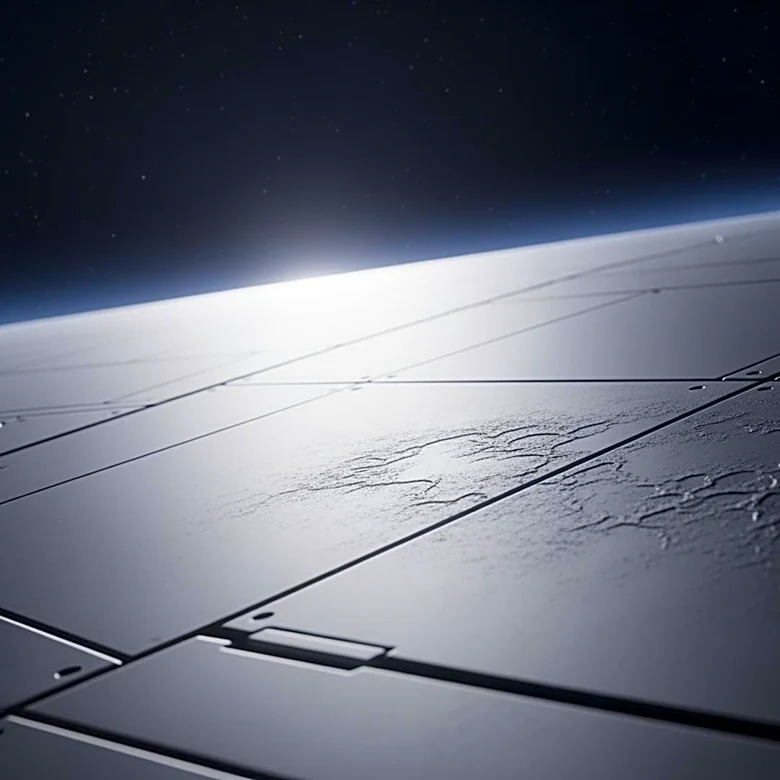
NASA is addressing the challenges posed by atomic oxygen in low Earth orbit, which affects spacecraft materials. Atomic oxygen, a highly reactive form of oxygen, is prevalent in the thin atmosphere at altitudes where the International Space Station (ISS) operates. This environment, above the ozone layer, allows UV light to split O2 molecules into single oxygen atoms, which can degrade materials on spacecraft. Engineers have observed that materials facing the direction of travel suffer more damage. NASA has been testing various materials by exposing them to atomic oxygen to understand and mitigate its effects. Carbon-based polymers and composites are particularly vulnerable, leading to erosion and mass loss. To counteract this, materials are often over-designed or coated with less reactive substances like silicon dioxide or aluminum oxide.